Four Rafales Cross the Equator: IAF Joins Its Biggest Pitch Black Yet
Four Rafales, two C-17s and 120-plus air warriors have landed in Darwin for Exercise Pitch Black 2026 — with an Il-78 topping up the fighters over Indonesia on the way, a small detail that says as much about India's reach as the exercise itself.

Senapathi Desk
Staff reports & analysis
Published
3 min read
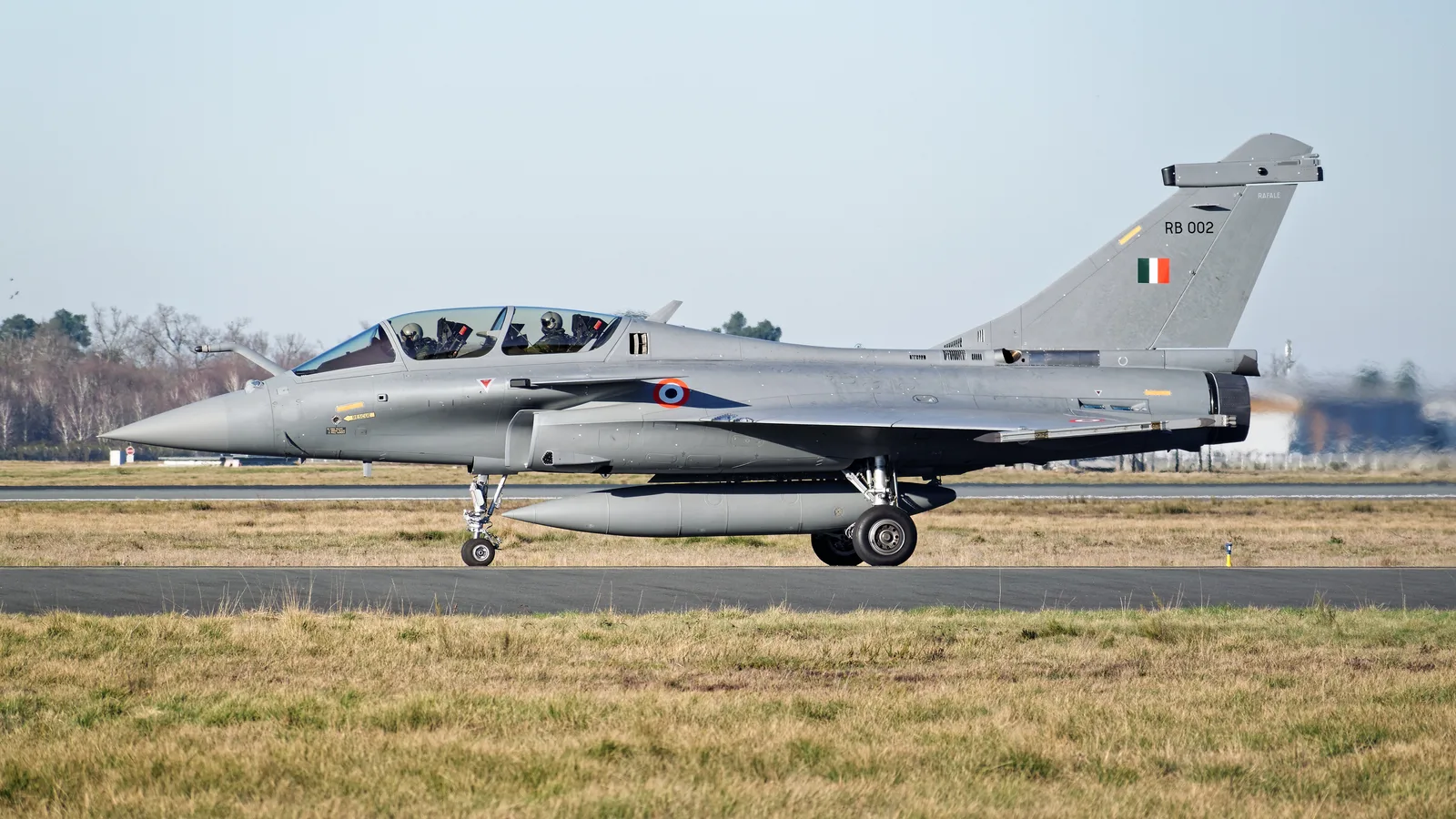
The Indian Air Force has landed in Darwin. A contingent of four Rafale fighters, two C-17 Globemaster III transports and more than 120 air warriors arrived in Australia’s Northern Territory this week for Exercise Pitch Black 2026 — the largest edition yet of the Royal Australian Air Force’s flagship multinational air-combat exercise, and a three-week test of how well India’s premier fighter integrates into a crowded, coalition sky.
The numbers explain why air forces treat this exercise as a fixture worth crossing an ocean for. From July 20 to August 7, roughly 100 aircraft and more than 2,500 personnel from about 20 countries will operate out of RAAF bases Darwin and Tindal in the Northern Territory and Amberley in Queensland. All four Quad partners — Australia, the United States, Japan and India — are flying, alongside European air forces whose presence shows how far the drill has grown beyond its original Indo-Pacific footprint. Pitch Black has been staged out of Darwin since 1983; it has never been bigger than this.
For the Rafale fleet, the value is specific. Large-force employment — fighting as one package among dozens of dissimilar aircraft, deconflicting with unfamiliar controllers, flying against tactics no home exercise can script — is the one skill that cannot be built at home station. The IAF said as much in its own framing: the deployment is about sharpening operational synergy and exchanging best practices with partner air forces, interoperability built at scale rather than asserted in communiqués. Three weeks of night-heavy, coalition air combat over the Territory’s vast ranges is the most concentrated dose of that training available anywhere in the region.
The refuelling stop that was also a signal
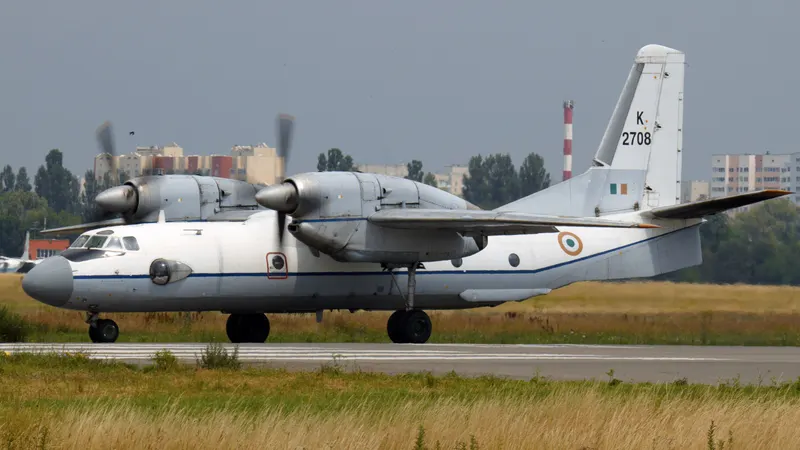
The journey itself carried a message. On Friday, an Il-78 tanker of the IAF operated out of Juanda airport in Surabaya to refuel the Rafales mid-air as they transited Indonesian airspace en route to Darwin. India’s embassy in Jakarta publicised the operation, thanking Indonesia for “allowing Indian military platforms to operate from Indonesia” — a sentence that would have been unremarkable between treaty allies and is anything but between India and Indonesia.
Set the moment in its month. Days earlier, Jakarta signed for BrahMos cruise missiles and Astra air-to-air missiles in a deal worth around $630 million — Indonesia becoming the third export customer for India’s flagship missile. An Indian tanker turning an Indonesian airport into a waypoint for a fighter deployment to Australia is the operational face of the same alignment: access, familiarity and habits of cooperation that accumulate sortie by sortie. Strategic partnerships are declared at summits, but they are practised at places like Juanda.
There is a logistics story here too, and it is easy to miss. Moving fighters across the equator with organic tanker and airlift support — C-17s carrying the engineering echelon, an Il-78 staging through a partner’s airfield — is expeditionary muscle the IAF has been deliberately building, from Red Flag deployments in Alaska to Garuda in France. Each iteration makes the next one cheaper, faster and less remarkable. That is the point.
What to watch over the next three weeks: how deeply the Rafales are woven into the large-force packages rather than flying at the margins, whether the IAF publicises dissimilar-combat results as it has after recent exercises, and whether the Indonesia stopover hardens into something more routine. Exercises end; access endures.
Sources
Senapathi Desk
Staff reports & analysis
The Senapathi Report news desk. Original reporting and analysis synthesised from multiple corroborated sources — defence procurement, service developments and regional security, filed as it happens.