DRDO Signs A321 Conversion Contracts, Hands Private Firm the AEW&C Mk-II Mission Systems
Contracts signed on 22 July task AIESL with converting six Airbus A321s to green configuration and name Adani Defence as development-cum-production partner for the Netra Mk2's mission systems, with induction planned for 2032-33.

Senapathi Desk
Staff reports & analysis
Published
3 min read
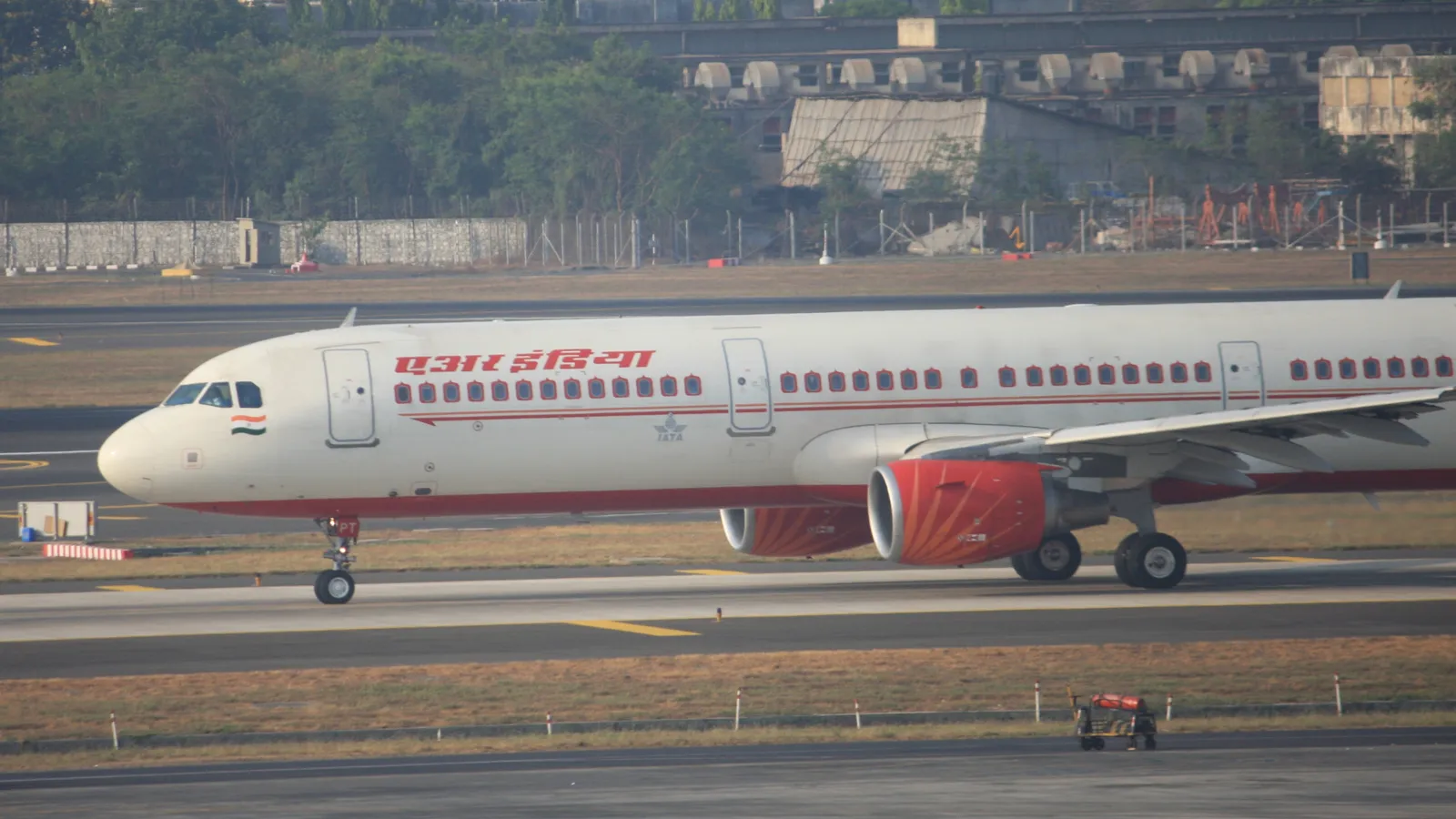
Six Airbus A321 airliners are headed for the strip-down bays, and a private Indian company now owns the hardest part of turning them into flying radar stations. Two contracts signed in New Delhi on 22 July move the AEW&C Mk-II — the Netra Mk2, the Indian Air Force’s next-generation airborne early warning and control fleet — from an approved programme to a committed industrial undertaking, and redraw the line between state and private industry along the way.
The Director of DRDO’s Centre for Air Borne Systems, the laboratory that leads the programme, signed both contracts in the presence of Rajesh Kumar Singh, who serves as Defence Secretary and holds additional charge as DRDO Chairman. Contract values were not disclosed.
The first contract goes to AI Engineering Services Limited, the state-owned aircraft maintenance and engineering company. AIESL will convert six Airbus A321 aircraft from commercial to green configuration — airline seats, galleys and cabin fittings stripped out, leaving bare airframes ready to accept the structural modifications, antennas and operator consoles of a military surveillance aircraft. Green conversion is the unglamorous gate every airliner-based special-mission platform must pass through, and putting it under contract fixes the aircraft pipeline for the entire fleet.
The second contract is the one that breaks precedent. Adani Defence Systems and Technologies Ltd is engaged as Development-cum-Production Partner for the programme’s mission systems — the radar, sensor and electronics suite that is the entire point of the aircraft. Under the DcPP model, the company develops the systems alongside DRDO and then carries them into production. It is reportedly the first time a private Indian firm has been entrusted with an airborne mission platform of this complexity.
That is why these signatures matter beyond the programme itself. India’s airborne early warning capability has until now been built and integrated within the state system. Handing the mission-systems partnership to a private company is a structural bet that the private sector can absorb, industrialise and sustain the most sensitive layer of a strategic platform — and if it pays off, the model will not stop at this fleet.
The capability on offer justifies the ambition. Reporting on the programme indicates the Mk2 will provide 300-degree radar coverage, with an additional nose-mounted antenna complementing the main dorsal array. That combination pushes an airliner-sized platform close to all-round surveillance, a substantial step up in the persistent air picture available to the Indian Air Force.
The programme is running on a long clock. Induction is planned for 2032-33, and the contracts carry integrated logistics support extending up to 30 years — a commitment that ties the partners to the fleet for decades beyond delivery. CABS will integrate the mission systems onto the converted airframes and coordinate the test campaign with the Indian Air Force, keeping design authority and flight clearance firmly inside DRDO even as industry takes on development and production weight.
None of this puts a radar in the air tomorrow; by the programme’s own schedule, that moment is more than six years away. What 22 July settles is everything that has to be true before it can happen: which airframes, who strips them, who builds the mission suite, who integrates it, and who keeps the fleet flying for the thirty years after that. For a programme of this scale, those are the decisions that count — and they are now signed.
Sources
- 1. DRDO signs AEW&C Mk-II contracts with AIESL and Adani Defence — pib.gov.in
- 2. Six Airbus A321 aircraft to be converted for India's AEW&C Mk-II programme — swarajyamag.com
- 3. DRDO advances AEW&C Mk-II programme through industry partnerships — opengovasia.com
Senapathi Desk
Staff reports & analysis
The Senapathi Report news desk. Original reporting and analysis synthesised from multiple corroborated sources — defence procurement, service developments and regional security, filed as it happens.