Vikram-1 Reaches Orbit: India's Launch Industry Just Became a Two-Track System
Skyroot's Vikram-1 reached a 450 km orbit on its first attempt — making India the third country with private orbital launch capability, and giving New Delhi something it has never had: a second, sovereign road to space.

Senapathi Desk
Staff reports & analysis
Published
2 min read
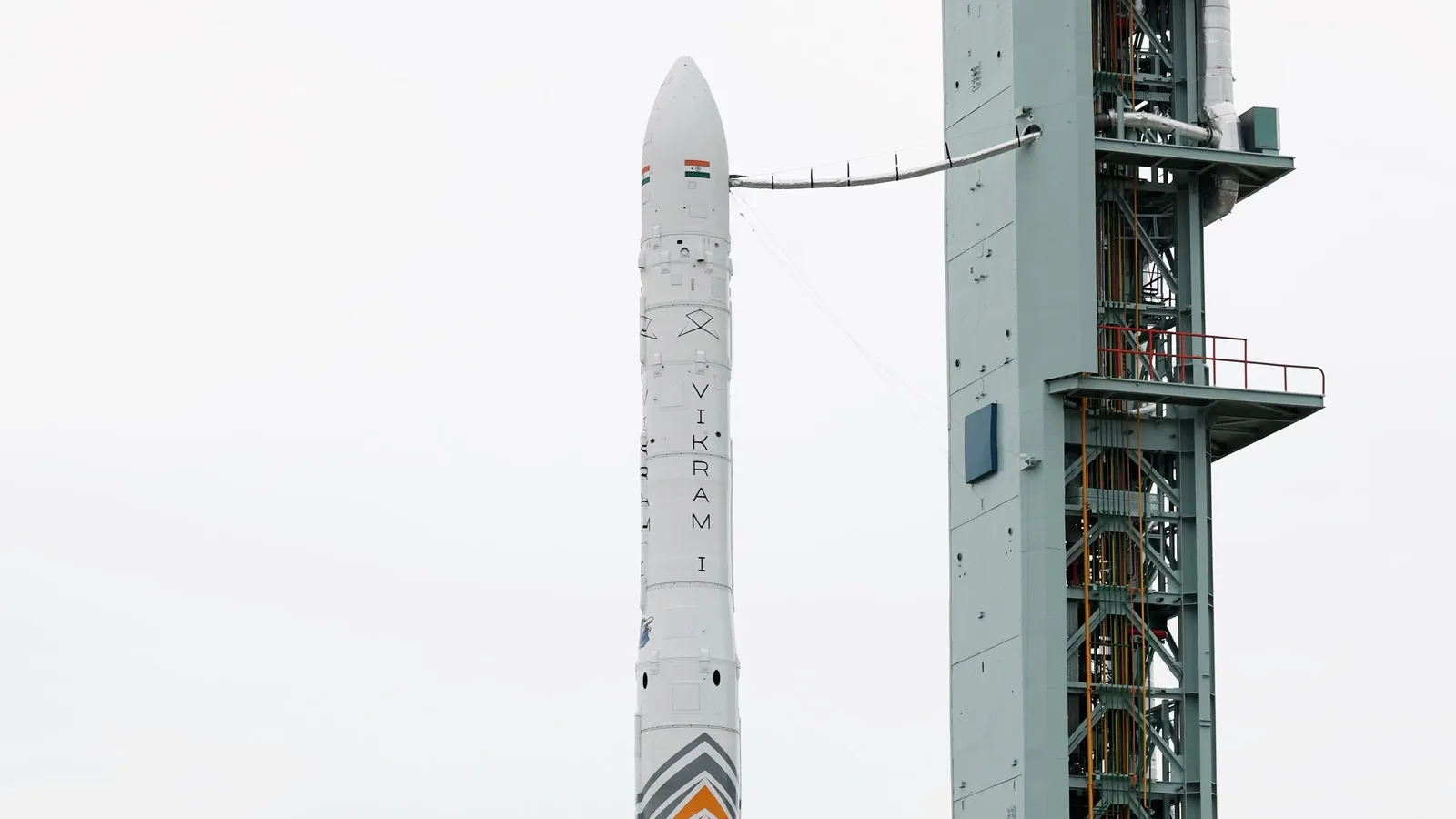
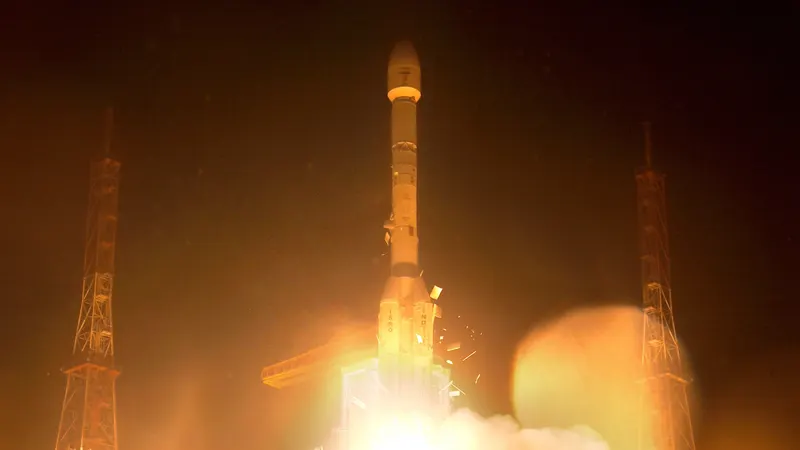
At 12:05 pm on Friday, a rocket built by a Hyderabad startup lifted off from the Satish Dhawan Space Centre and, minutes later, put its payloads into a 450-kilometre orbit. With that, Skyroot Aerospace’s Vikram-1 became the first privately developed Indian launch vehicle to reach orbit — and India became the third country, after the United States and China, whose private sector can independently put objects into space.
First-attempt orbital success is rare enough that it deserves saying plainly: most new launch vehicles fail their debut. Vikram-1 flew its profile cleanly and deployed its cargo, including the SOLARAS nanosatellite, a technology-demonstration project from Grahaa Space. The company named the flight Mission Aagaman — the arrival. The Prime Minister’s congratulation to the two founders, delivered by phone, caught the mood: “you have not only planted a new tree in space, but a new root has also been strengthened on the ground to inspire the new generation.”
Why a defence publication cares about a commercial rocket
Strip away the celebration and the strategic fact underneath is this: India now has two independent roads to orbit. Until Friday, every Indian object in space rode on a vehicle built and operated by the state. That single-track dependence has consequences that show up precisely when it matters most — when launch schedules are crowded, when a satellite fails and needs replacing quickly, or when a crisis makes responsive space access an operational rather than aspirational requirement.
Small launchers like Vikram-1 are not competitors to ISRO’s heavy lifters and were never meant to be. Their military-adjacent value is cadence and responsiveness: the ability to put a nanosatellite — an imaging smallsat, a communications gap-filler, an experiment — exactly where it is needed on short notice. Every serious space power is building this two-track structure, a state programme for the heavy and strategic, a private sector for the fast and frequent. India just joined that club on the first attempt.
There is also a familiar industrial pattern here, and regular readers will recognise it. The same year that saw ten private firms bid for the Air Force’s 87-UAV programme, and the first India-assembled C-295 take flight from a private final assembly line, now ends its first half with a private rocket in orbit. The graduation of India’s private sector — from vendor, to partner, to prime — is happening across aerospace simultaneously, and launch was the hardest room to enter.
The caution that belongs in the record: one flight is a demonstration, not a capability. A launch company becomes strategically relevant when it flies on schedule, repeatedly, for paying customers — cadence, not ceremony, is the test. Skyroot’s debut cleared the highest technical bar in the industry; the commercial bar is cleared one manifest at a time.
What to watch: how quickly a second Vikram-1 flies and for whom; whether defence customers appear on early manifests, openly or otherwise; and how the rest of India’s launch startups — several of them chasing reusability — respond to the bar Skyroot has just set. The arrival is real. The timetable it enables is the story from here.
Sources
Senapathi Desk
Staff reports & analysis
The Senapathi Report news desk. Original reporting and analysis synthesised from multiple corroborated sources — defence procurement, service developments and regional security, filed as it happens.