Doval's Message to Myanmar: Your Territory Cannot Be a Launchpad Against India
At the BIMSTEC security chiefs' meeting in Delhi, India's NSA told Myanmar's counterpart plainly that its soil must not host anti-India insurgency, arms smuggling or infiltration — pressure on a neighbour whose ungoverned spaces have become the Northeast's biggest external security problem.

Senapathi Desk
Staff reports & analysis
Published
2 min read
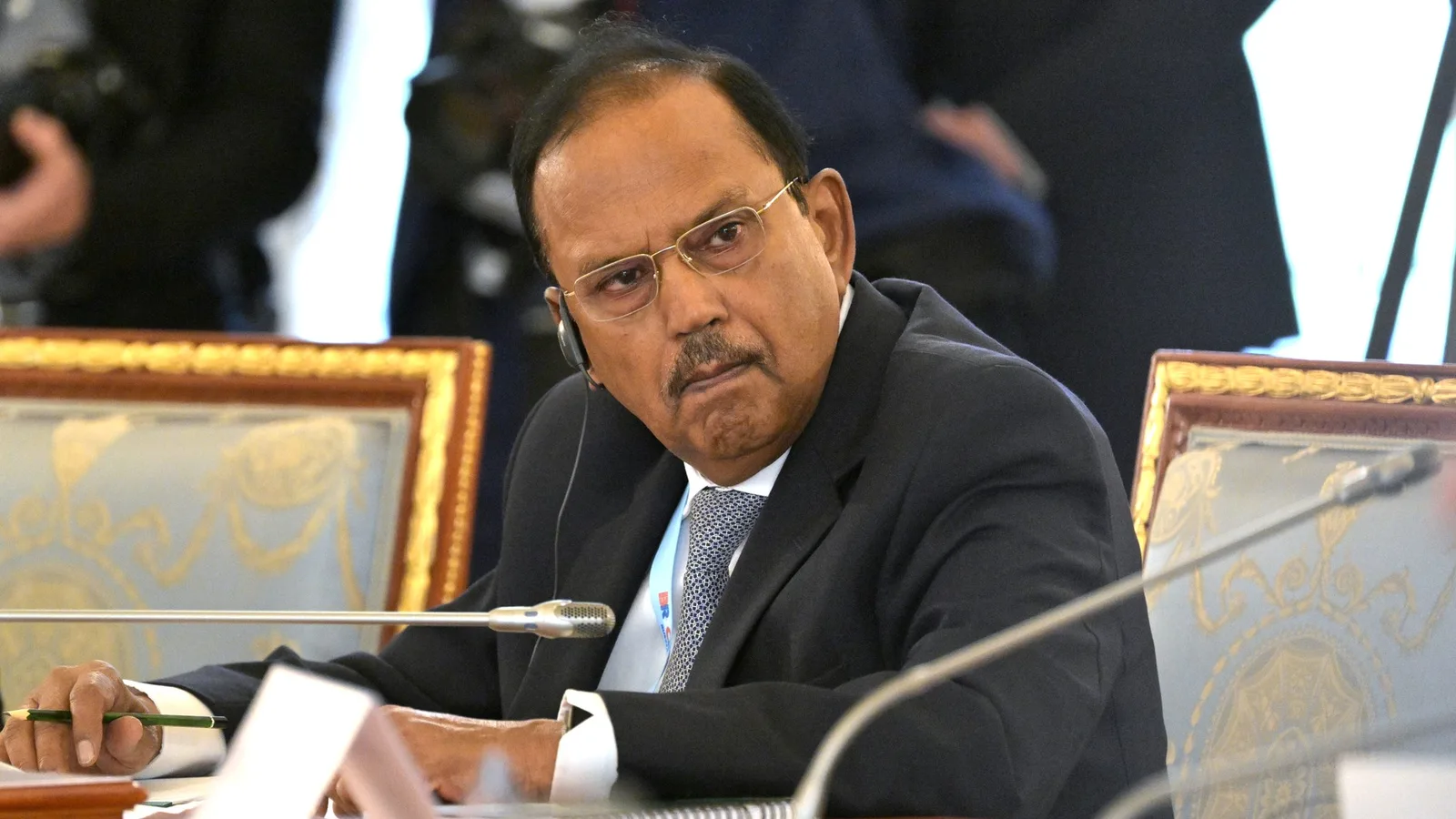
India used its own table to deliver an uncomfortable message. On the sidelines of the fifth BIMSTEC National Security Chiefs’ meeting in New Delhi, National Security Adviser Ajit Doval told Myanmar’s national security adviser, U Tin Aung San, that Myanmar’s territory must not be allowed to host anti-India activities — naming cross-border insurgency, arms smuggling and infiltration, the full menu of what leaks across the 1,600-kilometre border into the Northeast.
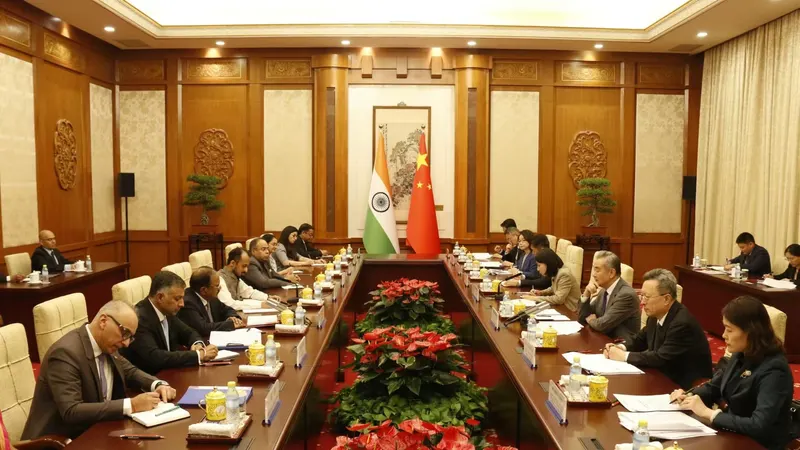
The choreography mattered as much as the content. Doval held a run of bilaterals on the eve of the summit — Sri Lanka, Thailand, Bangladesh and Myanmar — before India convened the security chiefs of the Bay of Bengal grouping on 16 July. Delivering the Myanmar message inside that setting, rather than in a quiet embassy channel, made it a position stated before the neighbourhood: India expects its eastern flank to be policed, and is prepared to say so with everyone watching.
Why the pressure, and why now
The case against complacency writes itself. Myanmar’s civil conflict has left swathes of territory effectively ungoverned, and Northeast insurgent groups have used exactly those spaces to camp, regroup, store weapons and stage cross-border attacks. The spillover is not hypothetical: thousands of refugees have crossed into Mizoram and Manipur, straining state resources and feeding into ethnic tensions that need no encouragement. Weak enforcement has let trafficking — arms, people, and narcotics out of the Golden Triangle — grow into a funding stream for the same groups India wants suppressed.
And the costs are strategic, not just security-line items. India’s two flagship eastward connectivity projects — the Kaladan Multi-Modal Transit Transport corridor and the India-Myanmar-Thailand Trilateral Highway — have both been slowed by the violence along their routes. Every year of Myanmar’s instability is a year India’s Act East infrastructure sits partly built.
The harder truth underneath the meeting: India is pressing a counterpart whose government controls less of its own territory than at any point in decades. Junta or not, Naypyidaw is the address that exists — so India’s approach runs on both tracks at once, demanding action against insurgent sanctuaries while keeping the relationship functional enough to protect its projects, its border management and its position against deeper Chinese penetration of Myanmar. The message in Delhi was firm precisely because the alternative to engagement is watching the vacuum fill with everyone else’s proxies.
What to watch: whether the words convert into coordinated operations against named camps, movement on border-management mechanisms, and any restart of momentum on Kaladan — the quietest but most reliable indicator of whether Myanmar’s assurances mean anything on the ground.
Sources
Senapathi Desk
Staff reports & analysis
The Senapathi Report news desk. Original reporting and analysis synthesised from multiple corroborated sources — defence procurement, service developments and regional security, filed as it happens.