Charge Sheet Details Honey-Trap That Reached DRDO Lab Chief Handling BrahMos, Agni Data
The charge sheet against a former DRDO lab chief describes a Pakistani honey-trap that reached classified missile data — forcing decisions on how India vets and watches the scientists holding its most sensitive secrets.

Senapathi Desk
Staff reports & analysis
Published
3 min read
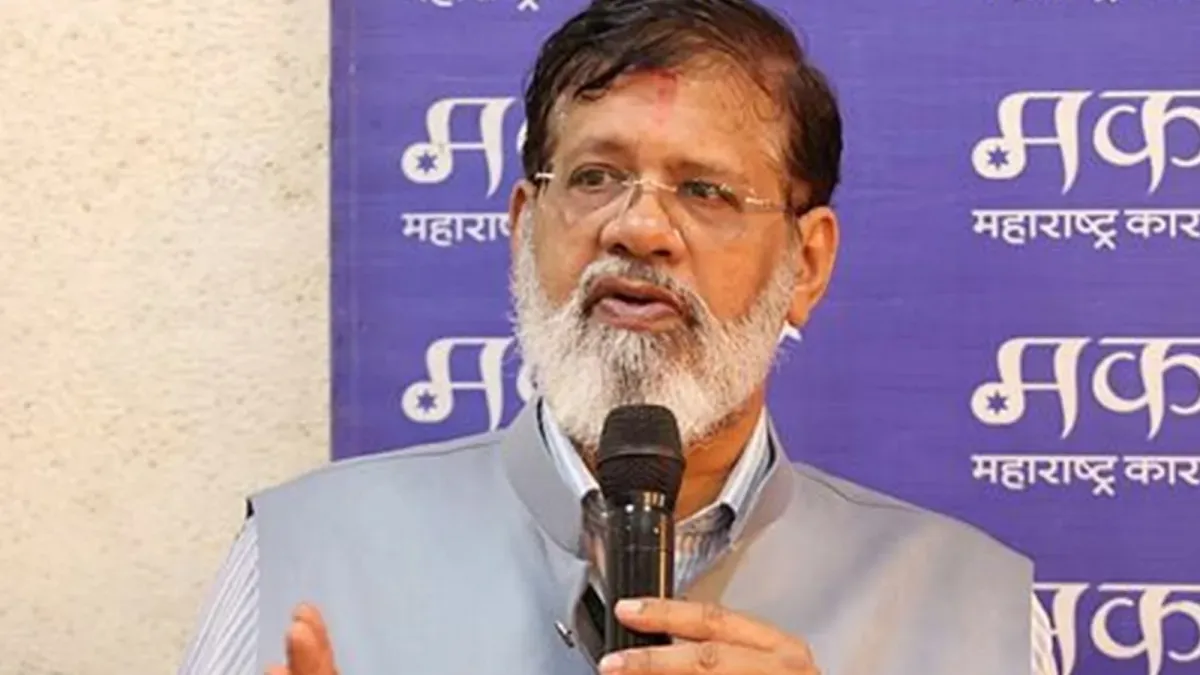
The charge sheet against Kurulkar, a former chief of one of DRDO’s research and development laboratories, settles one question and opens several harder ones. What investigators allege — that a Pakistani operative posing as a London-based software engineer drew classified details of India’s missile programmes out of the man running a defence laboratory — now belongs to a courtroom. What India does about the pathway that operation exposed belongs to the government, and the clock on those decisions started running on 29 June, when details of the case became public.
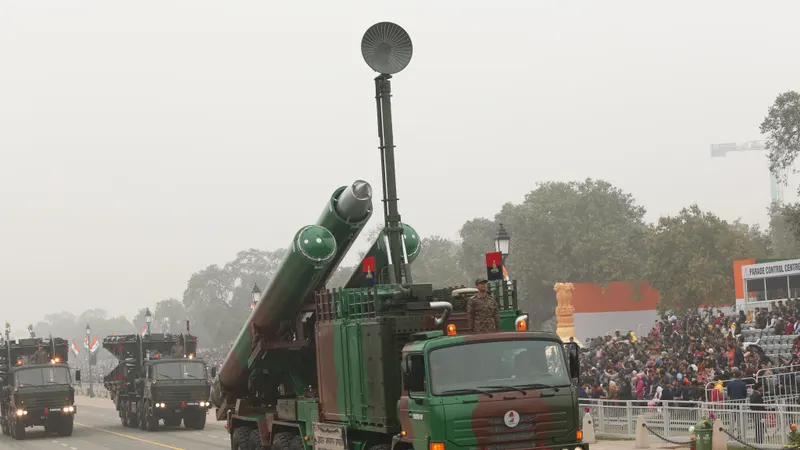
The alleged operation was a honey-trap in the classic mould, executed remotely and aimed at the top of the hierarchy rather than its vulnerable margins. The material it reached for sits in the narrowest band of India’s secrets: BrahMos, the supersonic cruise missile that now anchors the country’s weapons-export ambitions, and plans relating to Agni-6, a programme bound up with the future shape of the strategic deterrent. Whether the information that moved was fragmentary or substantial is precisely what the trial will have to establish. But the fact that the approach worked at all — that a fabricated identity was enough to open a channel to a lab chief — is not in dispute in the way that matters for policy.
What the Trial Will Set
Every espionage prosecution carries a signal beyond the accused. The court will have to weigh what was actually transmitted, how classified it was, and what damage flowed from it — questions that are notoriously difficult to argue in open proceedings without compounding the original exposure. However it is resolved, the verdict will fix the price of insider betrayal for everyone currently holding a DRDO badge. A conviction on strong evidence hardens deterrence; a collapse on procedural grounds would tell Pakistan’s intelligence services that the cost of running such operations is negligible even when they are caught.
There is an external audience too. Governments negotiating to buy BrahMos are, in effect, buying into India’s ability to protect the system’s secrets over the decades a missile stays in service. A case revealing penetration at lab-chief level will be studied by those buyers as closely as any performance brochure, and the thoroughness of India’s institutional response will be part of what they are assessing.
The Fix That Cannot Wait for a Verdict
The harder decisions sit outside the courtroom, and they cannot wait the years a trial may take. The first concerns vetting. Security clearance in most systems is front-loaded: it scrutinises people on the way in and assumes seniority equals reliability thereafter. This case inverts that assumption — the target was chosen because of his access, and his rank was the vulnerability, not the safeguard. Continuous monitoring of contact patterns and digital behaviour for the most senior custodians of missile data is the obvious corrective; it is also culturally alien to organisations built on the presumption that their leadership is beyond suspicion.
The second concerns scale. An approach that requires nothing more than a fabricated persona and patience is cheap, repeatable and deniable, and there is no reason to believe it was attempted only once. It would be an analytical mistake to file this away as one man’s failure. The measure of India’s response will not be what ultimately happens to Kurulkar. It will be whether the next approach is detected before the first classified detail moves — and whether anyone outside a courtroom ever hears about it, because it was stopped in time.
Sources
- 1. Inside the espionage case against former DRDO lab chief Kurulkar — theprint.in
Senapathi Desk
Staff reports & analysis
The Senapathi Report news desk. Original reporting and analysis synthesised from multiple corroborated sources — defence procurement, service developments and regional security, filed as it happens.