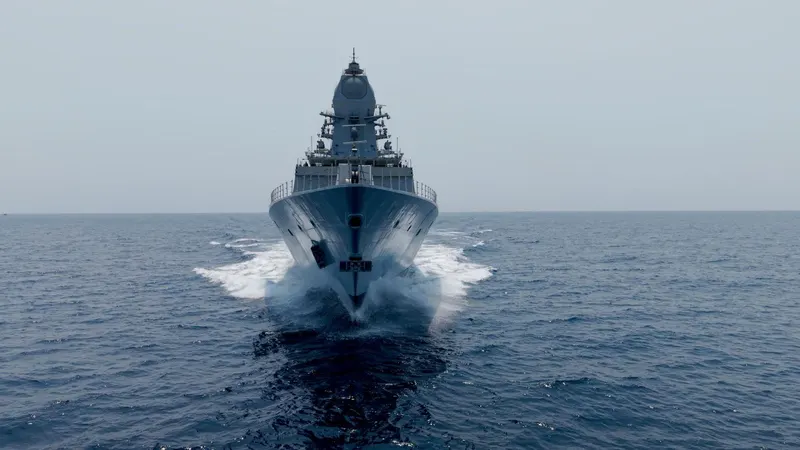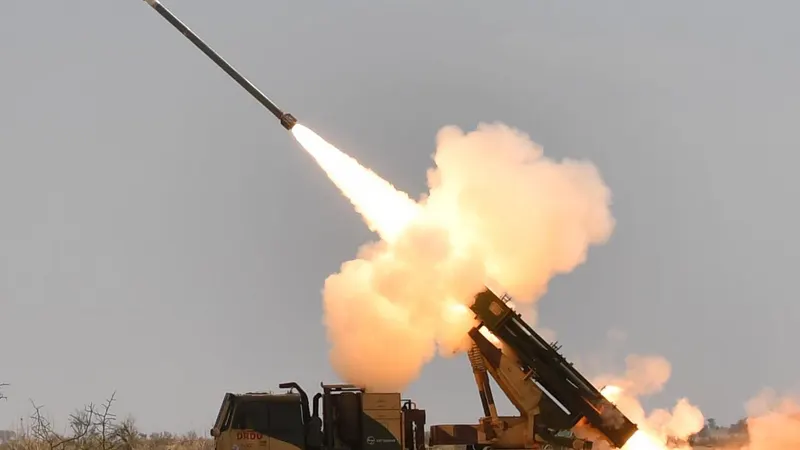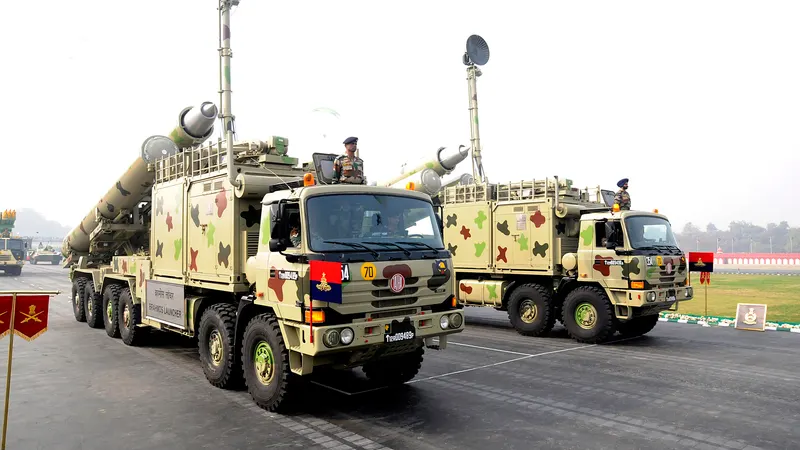
MoD Rewrites Export SOP and Opens the General Licence to Nearly Every Country
MoD's Department of Defence Production merges three OGEL procedures into one, extends validity to three years and opens the licence from 41 countries to all but sensitive and sanctioned states after a record ₹38,424 crore export year.

Senapathi Desk
Staff reports & analysis
Published
3 min read
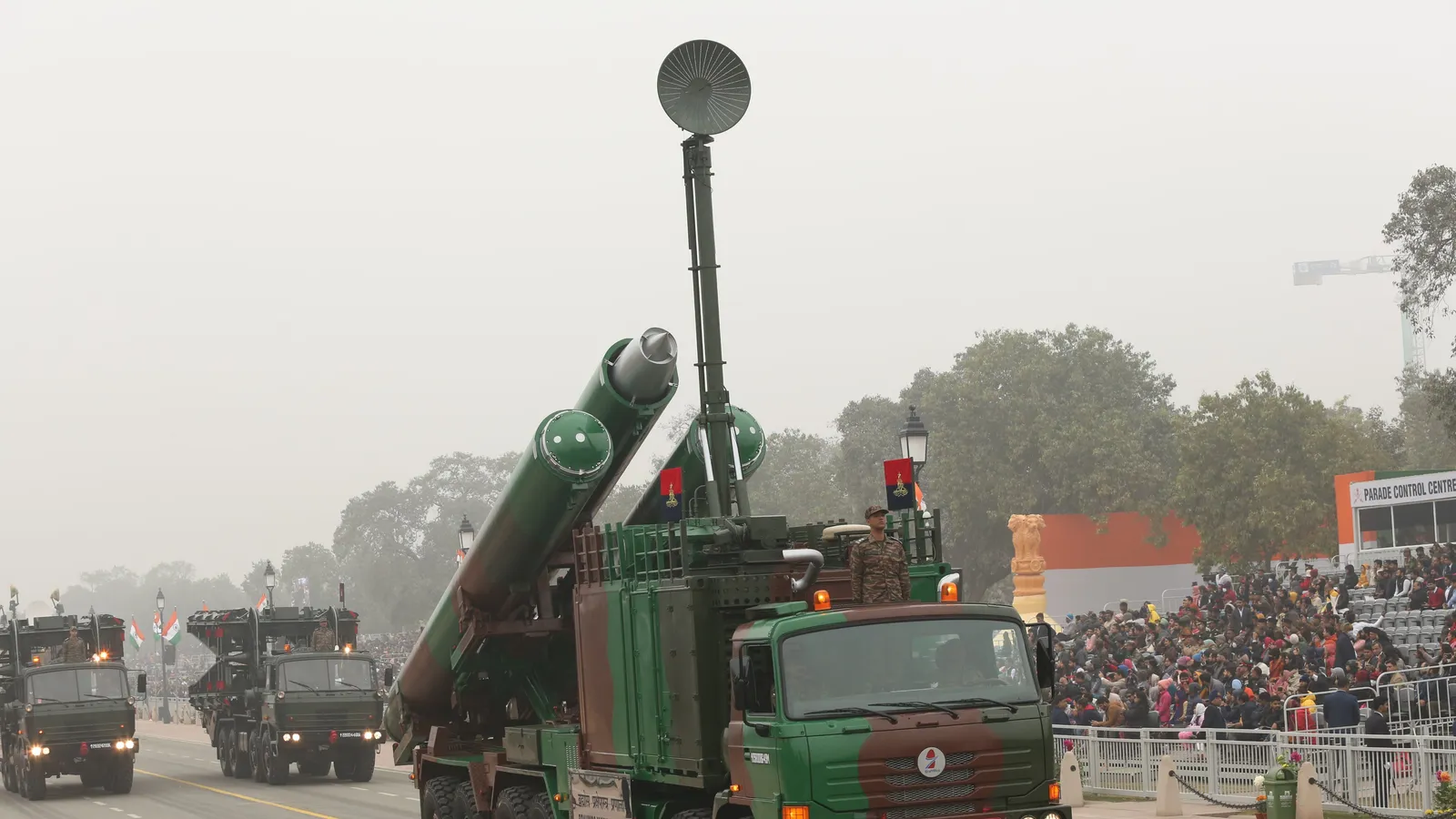
The Ministry of Defence has rewritten the rulebook for selling Indian weapons abroad. On 28 August the Department of Defence Production issued a single unified standard operating procedure for the Open General Export Licence, replacing three separate procedures, stretching the licence’s validity from two years to three, and extending its country coverage from 41 states to every country in the world except those the government classes as negative or sensitive and those under United Nations Security Council sanctions or arms embargoes.
The OGEL is the standing authorisation that lets an approved exporter ship listed items repeatedly without seeking a fresh licence for each consignment. Until now it ran on three documents written for three kinds of trade: major platforms and equipment; parts and components; and intra-company transfer of technology. Those now collapse into one procedure with one set of conditions, so that a supplier sending a subsystem to a partner plant and a prime delivering a complete platform work under the same rules.
The reach of the licence is the larger change. A closed list of 41 eligible countries becomes a general grant to all destinations, with the map now drawn by exclusions rather than inclusions. Exports to nations on the negative or sensitive list, and to any state facing a Security Council sanction or arms embargo, stay outside the OGEL and continue to require case-by-case clearance.
The department has also removed the stakeholder consultation that routinely preceded approval in two broad categories. Exports of non-lethal defence items to most destinations no longer go through the inter-ministerial round, and neither do exports of any item, lethal or otherwise, when they are bound for an international tender or an exhibition. Safeguards remain in place for sensitive countries, where consultation continues as before.
Two new provisions widen who can hold the licence and what it can cover. Indian companies holding long-term contracts with foreign original equipment manufacturers can now be granted an OGEL whose validity is aligned to the underlying contract rather than to a fixed term, a change aimed squarely at suppliers locked into multi-year global supply chains. And exports of specified parts of small-calibre arms and of protective equipment are now permitted for civil end use, opening a category that had previously been shut.
The reforms were undertaken by the Department of Defence Production under the guidance of Raksha Mantri Rajnath Singh, and they arrive on the back of the strongest year the sector has recorded. Defence exports reached ₹38,424 crore in the financial year 2025-26, an all-time high, while defence production climbed to ₹1.78 lakh crore over the same period, also a record. The government’s stated aim is to make India a global defence manufacturing hub, and the export licensing regime has been one of the slower-moving pieces of that ambition.
For the large primes, the practical effect is fewer applications and a longer runway per licence. A firm that previously renewed every two years and checked each destination against a 41-country list can now plan on a three-year horizon and treat the world, minus a defined set of exclusions, as its addressable market.
For the small and medium enterprises that supply parts and components, the contract-linked OGEL and the end of consultation for non-lethal items remove two recurring frictions of selling into foreign supply chains: the need to re-license on a fixed clock regardless of how long the contract runs, and the wait for a consultation round on items that carry little proliferation risk. The tender-and-exhibition exemption addresses a narrower but persistent complaint, that Indian firms lost time securing clearance simply to bid or to display hardware overseas.
Where the reform stops is equally clear. The negative and sensitive list stays, sanctioned and embargoed states remain excluded, and lethal items bound for ordinary destinations still pass through consultation unless the shipment is for a tender or exhibition. The government has widened the front door for Indian defence exporters; it has not taken the locks off the side entrances.
Sources
- 1. PIB: MoD simplifies defence export SOP and expands Open General Export Licence coverage — pib.gov.in
- 2. Business Standard: Government eases defence export SOP, widens Open General Export Licence ambit — business-standard.com
- 3. The Week: India widens defence export map with major reforms to become a global manufacturing hub — theweek.in
- 4. ANI: India widens defence export access and simplifies approvals to boost global market reach — aninews.in
Senapathi Desk
Staff reports & analysis
The Senapathi Report news desk. Original reporting and analysis synthesised from multiple corroborated sources — defence procurement, service developments and regional security, filed as it happens.