Iran Dictates Hormuz Routes, Floats 'Service Fees' and Threatens Forceful Response
Iran's military has ordered tankers onto approved Hormuz routes while officials push 'service fees' — an attempt to turn wartime leverage into lasting control of the world's most important oil chokepoint, with direct stakes for India.

Senapathi Desk
Staff reports & analysis
Published
3 min read
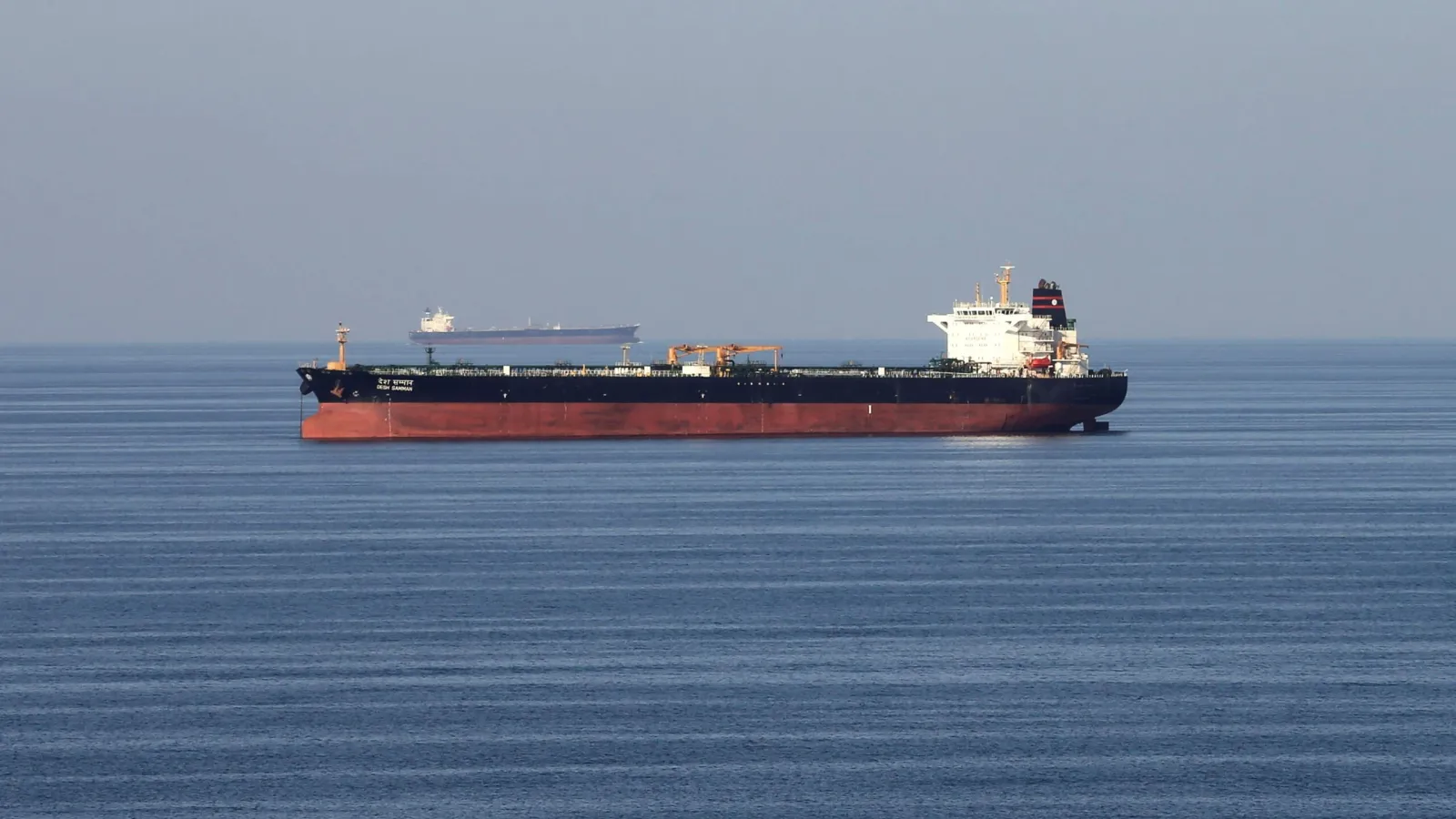
On 2 July, Iran’s joint military command put every oil tanker in the Strait of Hormuz on notice: sail the routes Iran approves, or face a “forceful response”. In the same breath, Iranian officials have been insisting that ships will pay “service fees” for the passage. Read together, the two statements amount to something far bigger than post-war sabre-rattling. They are a claim that transit through the world’s most important oil chokepoint is no longer a right to be exercised but a service to be bought — priced, policed and permissioned by Iran.
Why does this matter now, rather than during the war itself? Because the war is over, and the controls are not. The United States and Iran signed a war-ending agreement on 17 June, and the oil trade has been staging a nervous recovery ever since. Saudi Arabia alone has pushed 34 million barrels through the strait since that date. The American vice president has said oil flow through Hormuz has returned to pre-war levels and at times exceeded them, even though the total number of ships moving is lower. Wartime restrictions that outlive a war stop being emergency measures. They start becoming the new rules.
The physical situation gives Iran the means to write those rules. The waterway remains only partially navigable, and a pair of attacks on vessels in late June left shipowners cautious, thinning traffic even as cargo volumes recovered. Fewer, fuller ships moving through constrained channels are easier to direct — and easier to charge.
How Leverage Becomes a Tollgate
Iran’s position rests on three interlocking instruments. The first is routing: by designating “approved” lanes and threatening force against ships outside them, Iran makes itself the traffic authority for an international strait. The second is money: the floated service fees would convert that authority into revenue, and — more dangerously — into precedent, normalising the idea that a chokepoint state may tax passage. The third is the sea floor itself. Iran has said it will carry out the demining of Hormuz alone, publicly rebuffing an offer from France’s president to help. Whoever clears the mines decides which channels open, in what order, and for whom. The demining monopoly is what gives the route dictates their teeth.
None of this looks like the familiar Iranian threat to close the strait. Closure is a blunt act that invites direct confrontation and strangles Iran’s own exports. Administration is subtler: the oil keeps flowing, buyers keep buying, and every laden tanker that follows an approved lane quietly ratifies Iran’s authority. The discomfort this causes even among Iran’s partners is telling — on 3 July, China, the strait’s biggest customer, called publicly for “unimpeded passage” as the fee talk mounted.
The Stakes for India
For India, this is not an abstract maritime-law dispute. A large share of the crude that feeds Indian refineries loads at Gulf ports and exits through Hormuz. Mandated routes and transit fees would flow straight into freight rates and insurance premiums, and from there into India’s import bill. The precedent cuts deeper still: an economy built on seaborne energy cannot afford a world in which chokepoint states meter passage at will, whether in Hormuz or anywhere else. The Indian Navy has escorted Indian-flagged vessels through these waters during past crises, and its planners will now have to weigh what presence, if any, a “managed” strait demands.
What happens next turns on three questions. Does the fee talk harden into a formal tariff, or fade as a negotiating flourish? Does Iran’s solo demining effort actually reopen the full channel, or preserve the scarcity that underwrites its control? And do the major buyers — China and India above all — treat approved-route compliance as a temporary inconvenience or accept it as the price of stability? The war ended in June. Whether Iran’s wartime grip on Hormuz ends with it is the question the tankers are answering, one transit at a time.
Sources
- 1. Iran warns tankers to use approved Hormuz routes or face a 'forceful response' — pbs.org
- 2. Saudi Arabia moves 34 million barrels through Hormuz since the war's end — cnbc.com
- 3. Hormuz half-open: tanker fleet, prices and the shape of recovery — reuters.com
- 4. China urges unimpeded passage of Hormuz as fee chatter mounts — gcaptain.com
Senapathi Desk
Staff reports & analysis
The Senapathi Report news desk. Original reporting and analysis synthesised from multiple corroborated sources — defence procurement, service developments and regional security, filed as it happens.