HAL Marks 1,000th AL-31FP Overhaul as India's Fighter-Engine Debate Sharpens
A sustainment milestone at Koraput underscores the depth of domestic engine MRO — and renews calls for a dedicated indigenous aero-engine mission before the AL-31FP line winds down.

Senapathi Desk
Staff reports & analysis
Published
2 min read
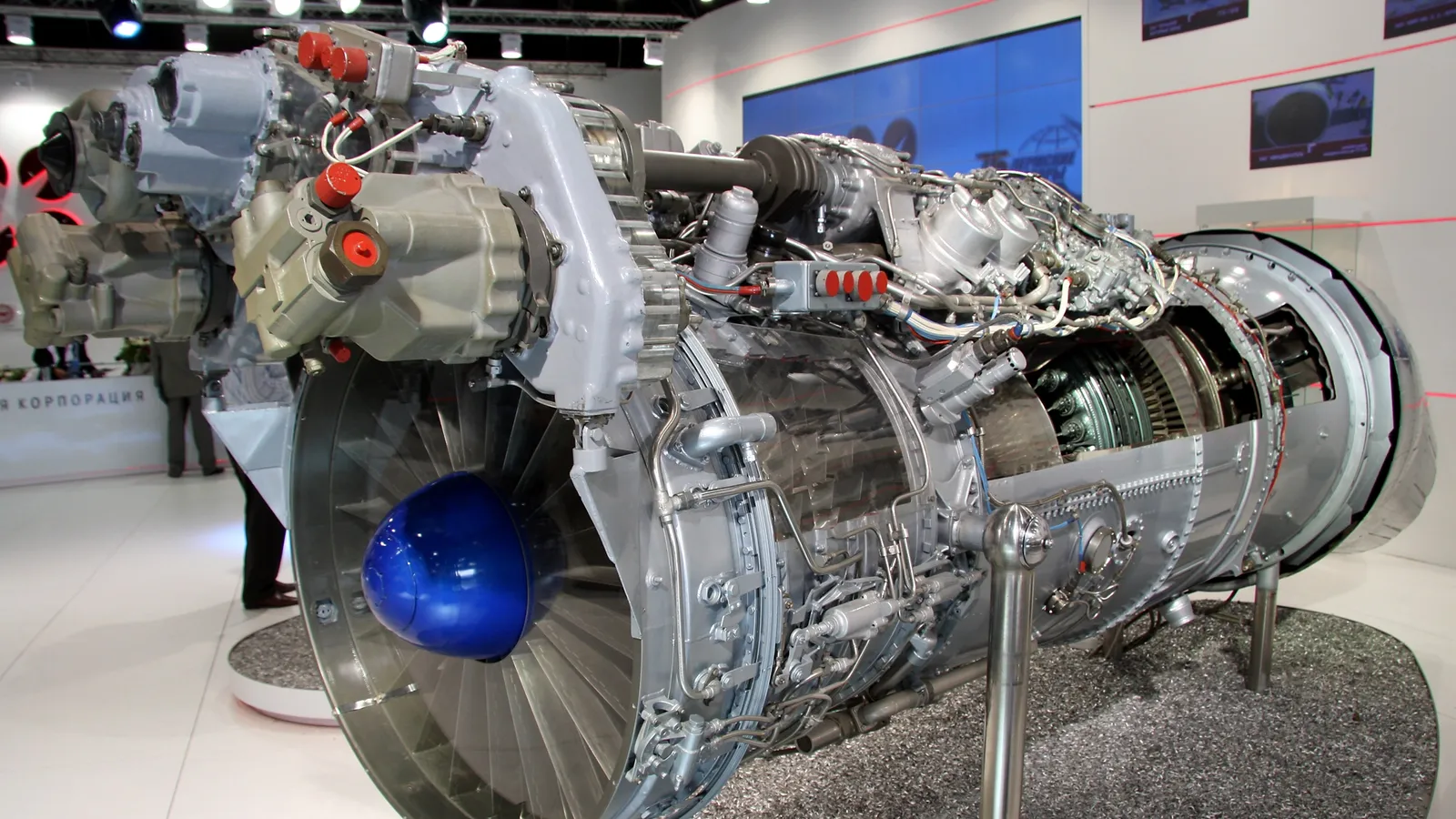
In the hills of Koraput, in Odisha, far from the airshows where the Su-30MKI earns its applause, the fighter’s real endurance test is run on workshop floors. Every AL-31FP turbofan that has been flown hard eventually comes back here to be stripped to its components, inspected, rebuilt and test-run before returning to a squadron. Hindustan Aeronautics Limited has now completed that cycle for the 1,000th time — a number that says as much about where India’s military aviation stands as any new aircraft rolling out of a hangar.
The 1,000th overhauled engine was recently handed over to the Indian Air Force, according to a report published on July 4. The AL-31FP powers the entire Su-30MKI fleet, the mainstay of the air force’s fighter strength, which makes the overhaul line at HAL’s Engine Division in Koraput one of the quieter load-bearing structures of Indian air power.
The facility’s throughput is the more consequential figure. Koraput can now process more than 100 AL-31FP engines a year, the report says — an industrial tempo that turns engine sustainment from a periodic bottleneck into a running conveyor. The engine being sustained is not a simple one. The AL-31FP produces 123 kilonewtons of thrust with afterburner and carries a thrust-vectoring nozzle that deflects up to 15 degrees, the feature behind the Su-30MKI’s signature agility. Returning such an engine to flight standard, repeatedly and at scale, is a measure of accumulated metallurgical and hot-section expertise that few facilities anywhere possess.
Nor is Koraput’s order book thinning. The Defence Ministry signed a contract with HAL in September 2024, worth $3 billion, for the manufacture of 240 new AL-31FP engines — fresh production layered on top of the overhaul workload, and a guarantee that the ecosystem around this Russian-designed powerplant will stay busy for years.
The Question Behind the Milestone
Yet the celebration has come braided with an argument. The milestone has renewed calls, cited in the report, for a dedicated indigenous fighter-engine development mission — a recognition that India’s deepest reservoir of practical engine know-how has been built servicing someone else’s design, and that this knowledge has yet to be converted into a combat engine of India’s own.
A former official of the Gas Turbine Research Establishment has separately pressed the same point, urging that the expertise concentrated at Koraput be deliberately preserved and redirected into indigenous programmes before the AL-31FP line eventually closes. The logic is straightforward: the engineers, technicians and processes that have rebuilt a thousand engines are precisely the industrial base an Indian fighter engine would need, and skills of this kind disperse quickly once the work that sustains them ends.
That is what makes the 1,000th engine both a trophy and a deadline. The overhaul line proves India can master the hardest part of a fighter — keeping its heart beating through decades of service. The unfinished task is designing that heart at home, and the window for carrying Koraput’s experience into that effort will not stay open indefinitely.
Sources
Senapathi Desk
Staff reports & analysis
The Senapathi Report news desk. Original reporting and analysis synthesised from multiple corroborated sources — defence procurement, service developments and regional security, filed as it happens.