Indonesia Signs BrahMos and Astra Deals, Handing India Its Biggest Export Win Yet
Signed during PM Modi's 7 July visit, the package makes Indonesia the second BrahMos export customer and the first foreign buyer of the DRDO-developed Astra Mk-1 — with unofficial estimates putting the deal near $630 million.

Senapathi Desk
Staff reports & analysis
Published
3 min read
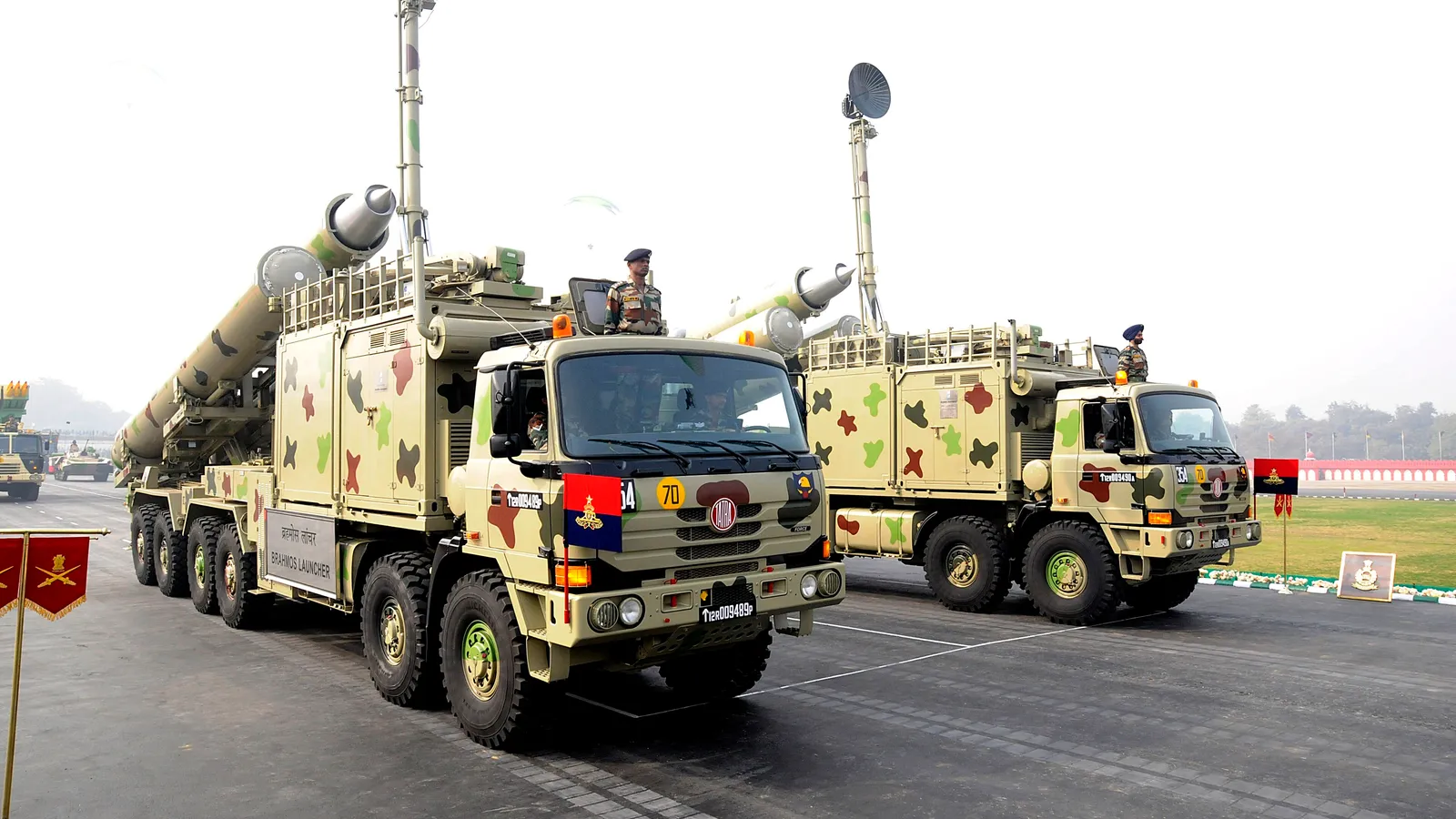
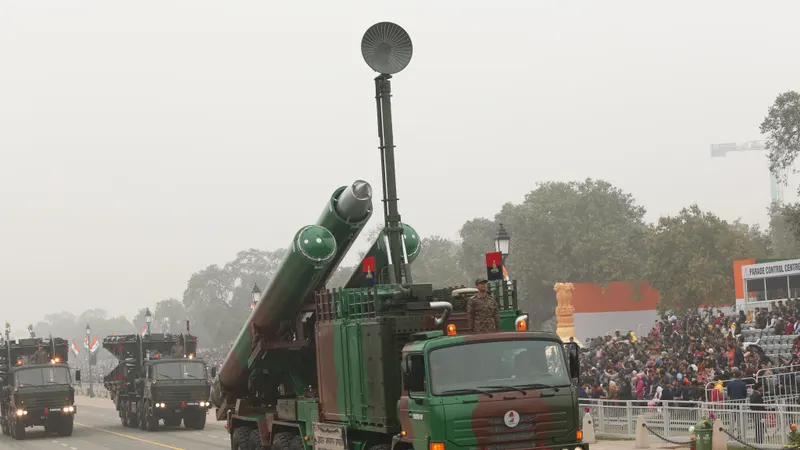
Indonesia signed contracts on 7 July for BrahMos supersonic cruise missiles and Astra Mk-1 beyond-visual-range air-to-air missiles, making it the second country to buy the Indo-Russian cruise missile and the first anywhere to import an Indian-designed air-to-air weapon. The agreements, concluded in Jakarta during Prime Minister Narendra Modi’s two-day visit, together form the largest single step India has taken in its bid to become a serious arms exporter.
The BrahMos contract was signed between BrahMos Aerospace and Indonesia’s Ministry of Defense. Neither side officially disclosed the contract value, the number of missiles or a delivery schedule at signing. Alongside it, Bharat Dynamics Limited — the state-owned manufacturer of the Astra — signed a cooperation pact on air-to-air missile systems with Indonesian defence company Republikorp.
The undisclosed headline figure has left a spread of reported numbers. One account says Indonesia doubled its initial plan from a single BrahMos battery worth $100 million to two batteries valued at $200 million, each containing 12 missiles and covering both surface-to-surface and air-launched supersonic variants with a 300 km range. Unofficial industry estimates put the overall package, including the Astra element, at around $630 million. Indonesia’s Defence Ministry had said in March that the BrahMos purchase alone was expected to cost between $200 million and $350 million.
First Astra Abroad
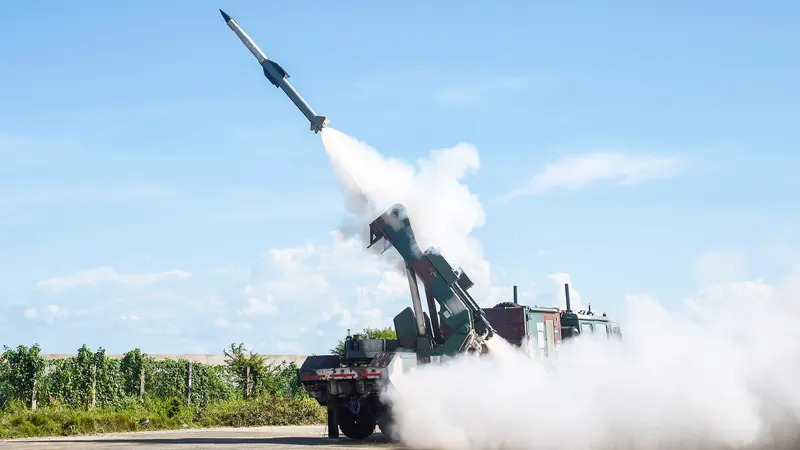
The Astra sale is the genuinely new ground. Developed by the Defence Research and Development Organisation and manufactured by Bharat Dynamics, the Astra Mk-1 has a reported strike range of 80 to 110 kilometres — extendable to as much as 160 kilometres under favourable launch conditions — and flies at Mach 4.5. BrahMos has been exported before; no Indian air-to-air missile has.
Indonesia plans to arm its Russian-built Su-30 and Su-27 fighters with the weapon, a fleet of around 16 Sukhois that will need technical integration and certification work before the missile enters full service. That task is familiar territory for India, which fields the Astra on its own Russian-origin jets, but certifying an Indian missile on another country’s Sukhois is a first — and, if it goes smoothly, a template for other operators of Russian airframes looking for non-Russian weapons.
Guarding the Straits
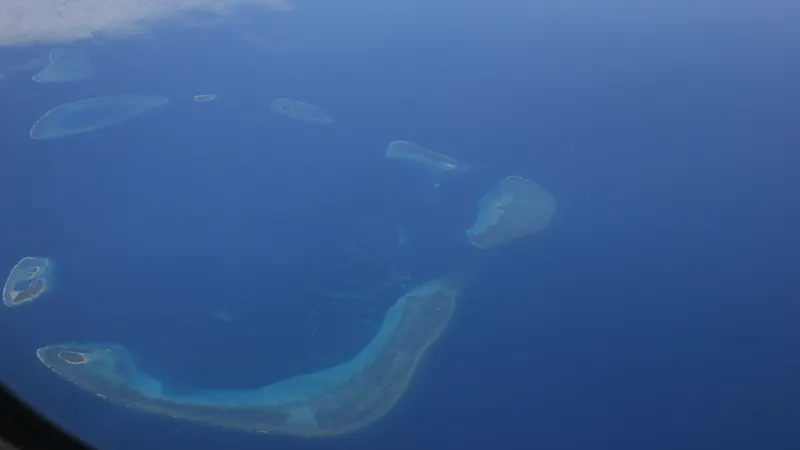
For Indonesia, the logic is geographic. The BrahMos purchase supports an anti-access/area-denial strategy built around the chokepoints that funnel shipping through the archipelago: the Malacca, Makassar, Sunda and Lombok Straits. Shore-based supersonic anti-ship batteries covering those waterways give Indonesia a means of holding surface ships at risk across some of the world’s busiest sea lanes. In choosing BrahMos, Indonesia follows the Philippines, which ordered the missile in 2022 for a similar coastal-defence role.
The missile contracts sat inside a broader strategic bundle. The same visit produced an agreement on developing the port of Sabang in Aceh — roughly 160 kilometres from India’s Great Nicobar Project at the mouth of the Malacca Strait — and a coast guard cooperation pact. Taken together, the port, coast guard and missile agreements tie the two countries’ maritime postures together at the western gateway to Southeast Asia.
For India, the significance runs past the money. The Philippines deal proved BrahMos could find one export customer; Indonesia proves it was not a one-off, and the reported doubling from one battery to two suggests a buyer growing more committed, not less. The Astra order does something different: it moves India from exporting a joint Indo-Russian product to exporting a weapon developed at home. Two missile types, one customer, one signing ceremony — and a defence industry that can now point to a foreign air force preparing to fly with an Indian missile on its wings.
Sources
- 1. Indonesia signs BrahMos missile deal with India — navalnews.com
- 2. Indonesia and India sign BrahMos missile deal in Jakarta — thejakartapost.com
- 3. $200 million BrahMos deal and strategic port development pact signed — outlookindia.com
- 4. BrahMos deal advances Indonesia's coastal-defence modernisation — defence-industry.eu
- 5. Indonesia to become first foreign buyer of India's Astra missile — businessworld.in
- 6. Astra export details: range, Sukhoi integration and package value — indiandefensenews.in
Senapathi Desk
Staff reports & analysis
The Senapathi Report news desk. Original reporting and analysis synthesised from multiple corroborated sources — defence procurement, service developments and regional security, filed as it happens.