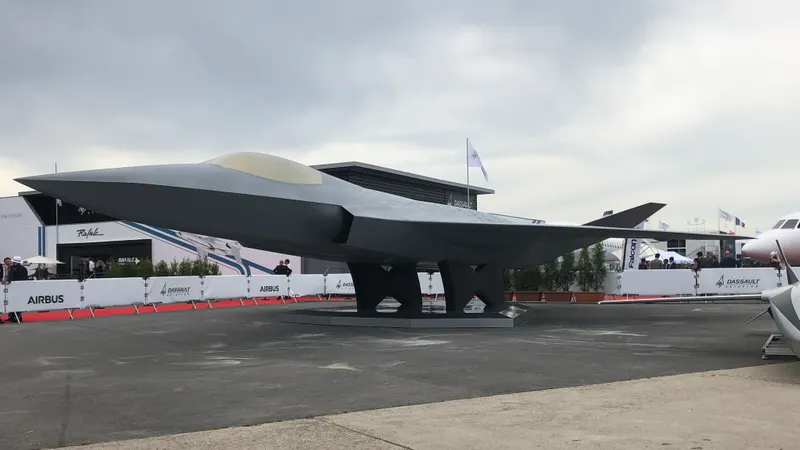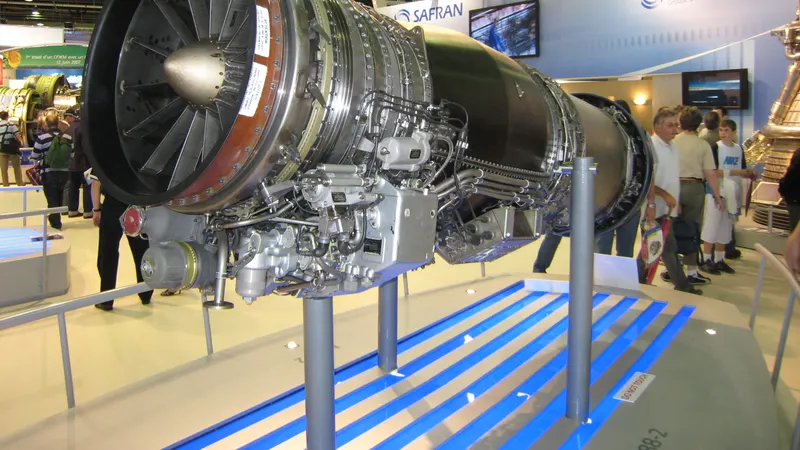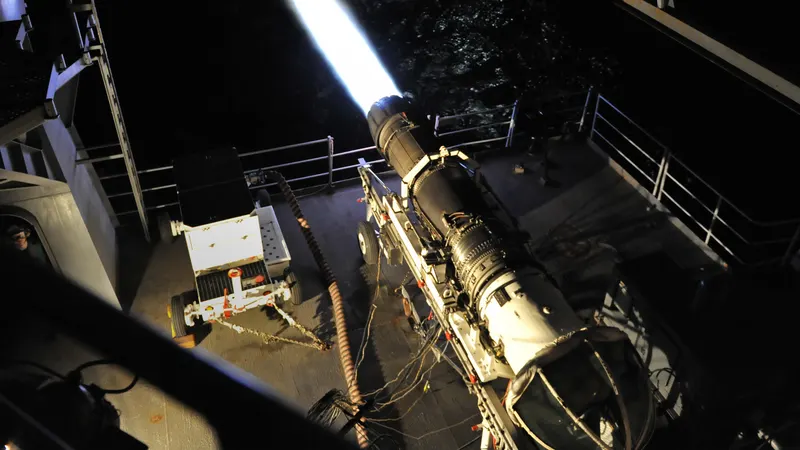
Safran vs Rolls-Royce: Final Offers In for AMCA Mk2 Engine With Full Technology Transfer
Safran and Rolls-Royce have submitted rival proposals to co-develop the AMCA Mk2 engine, each pledging 100% technology transfer. India's choice will decide whether it finally closes its decades-old fighter-engine design gap.

Senapathi Desk
Staff reports & analysis
Published
3 min read
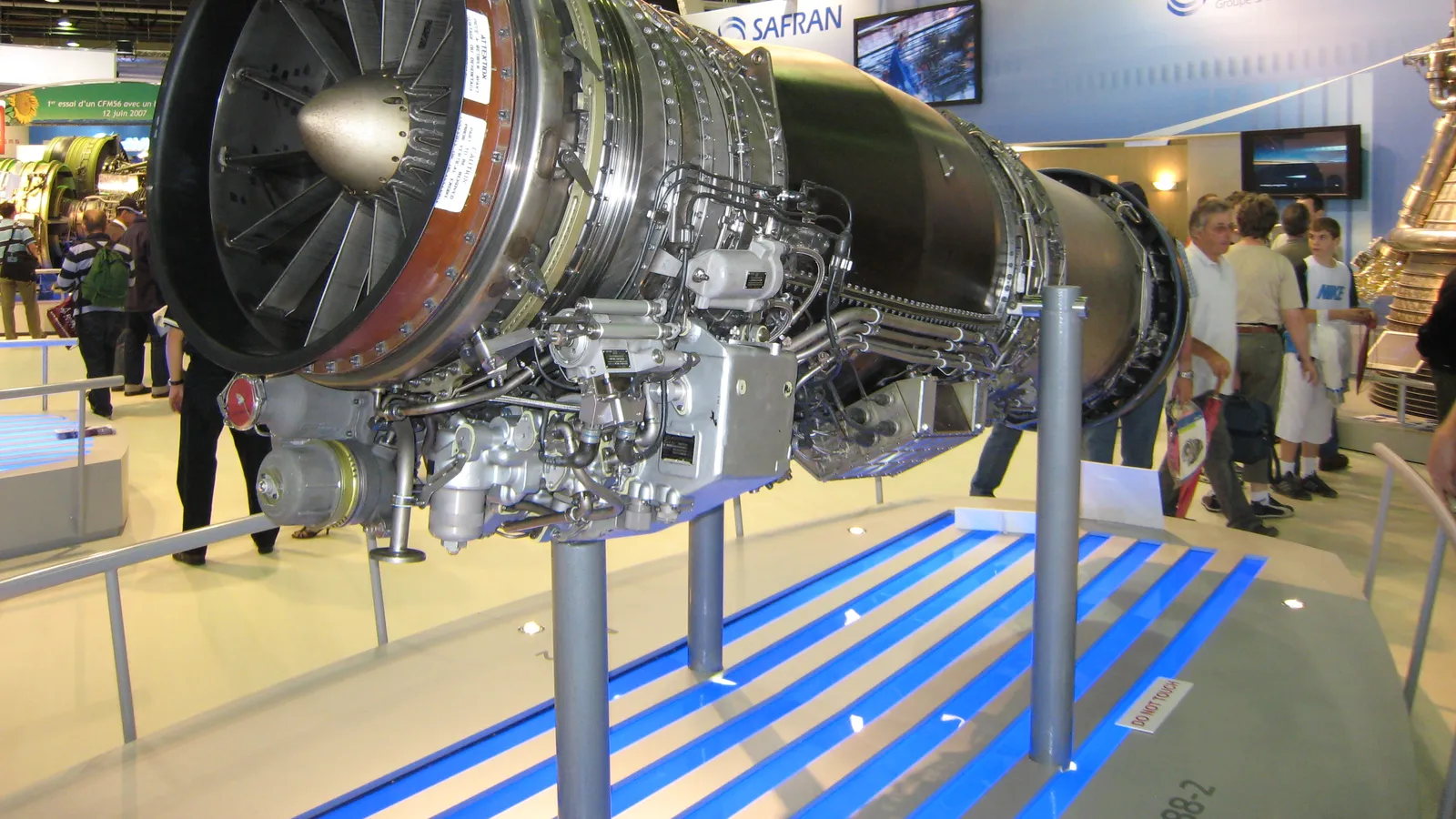
The offers are in. Safran and Rolls-Royce have both submitted competing proposals to co-develop the engine for the Mk2 version of India’s Advanced Medium Combat Aircraft, and each has promised the one thing India has demanded for decades and never actually received: all of it. One hundred per cent technology transfer, pledged by both bidders, is now formally on the table.
That symmetry is the first thing worth pausing on. When two of the world’s few surviving fighter-engine houses arrive independently at the same maximal offer, it says less about generosity than about the state of their market. New combat-aircraft programmes are scarce, the club of nations that can fund a clean-sheet military engine keeps shrinking, and India is arguably the last large customer still shopping for a genuine development partner rather than a finished product. For Safran and Rolls-Royce, the AMCA Mk2 engine is not a sale; it is a claim on a generation of Indian combat aviation, with everything that follows from sitting inside the design loop of a rising aerospace power. Both companies appear to have concluded that they cannot afford to lose, which is precisely why both are promising everything.
The second thing worth pausing on is what “everything” means. Technology transfer is a phrase elastic enough to cover both a licence to assemble kits and a true handover of design authority, and the distance between those two outcomes is the entire game. A country that receives drawings can build an engine. Only a country that receives the design tools, the test data, and the reasoning behind every trade-off can build the next engine — and the engine after that. India’s fighter-engine gap has never really been about manufacturing capacity; it has been about the unforgiving core of the discipline, the part of the machine where materials, heat, and design experience meet. The competition now moves from headline pledges to annexes: who owns the intellectual property, who certifies modifications, who keeps the knowledge if the partnership one day sours. The bids will be equal on paper. The contracts will not be.
India’s urgency has a backdrop, and it is doing quiet work in this race. The co-development contest runs in parallel with the troubled track built around General Electric’s F414, the American engine meant to power AMCA Mk1 prototypes. Whatever the eventual resolution of that arrangement, its difficulties are a live demonstration of what dependence on a single foreign supplier feels like when schedules slip and terms harden. The Mk2 engine decision is, in part, India buying insurance against ever standing in that position again — which is exactly why the fine print on transfer matters more than the percentage attached to it. Insurance that can be revoked is not insurance.
But full transfer cuts both ways, and this is where the second-order effects live. A co-developed engine binds India to its partner’s supply chains, certification systems, and export-control politics for decades. Choosing between a French champion and a British one is therefore also a choice between two national regulatory cultures and two sets of political relationships — constraints that will shape not just how India builds the engine but what it may eventually do with it, including whether an AMCA derivative could ever be offered abroad. And the winner gains leverage that outlasts the contract: the inside track on upgrades, derivatives, and whatever India builds around that engine core next. The loser, meanwhile, does not simply lose a deal; it loses one of the last open doors in the fighter-engine business. Expect the losing side’s government to feel that sting too, because both bids come wrapped in broader strategic relationships that India has spent years cultivating.
The temptation now will be to score the two offers as documents. The better test is to ask whose incentives remain aligned with India’s after the signatures dry — through the inevitable test-bed failures, schedule slips, and renegotiations that attend every engine programme ever attempted. Full technology transfer is not an event; it is a decade of behaviour. The real measure of this decision will come long after the announcement: whether, a generation from now, India can design its next fighter engine without needing to run a competition like this at all.
Sources
- 1. Safran vs Rolls-Royce: the AMCA engine race that could shape India's aerospace autonomy — timesofindia.indiatimes.com
- 2. Safran and Rolls-Royce bids intensify the AMCA engine race — msn.com
Senapathi Desk
Staff reports & analysis
The Senapathi Report news desk. Original reporting and analysis synthesised from multiple corroborated sources — defence procurement, service developments and regional security, filed as it happens.