Reported Tripling of GE F414 Price Stalls Engine Talks for AMCA, Tejas Mk2
GE Aerospace has reportedly tripled the price of F414 engines meant for AMCA prototypes, stalling negotiations and casting doubt over schedules for India's fifth-generation fighter and the Tejas Mk2.

Senapathi Desk
Staff reports & analysis
Published
2 min read
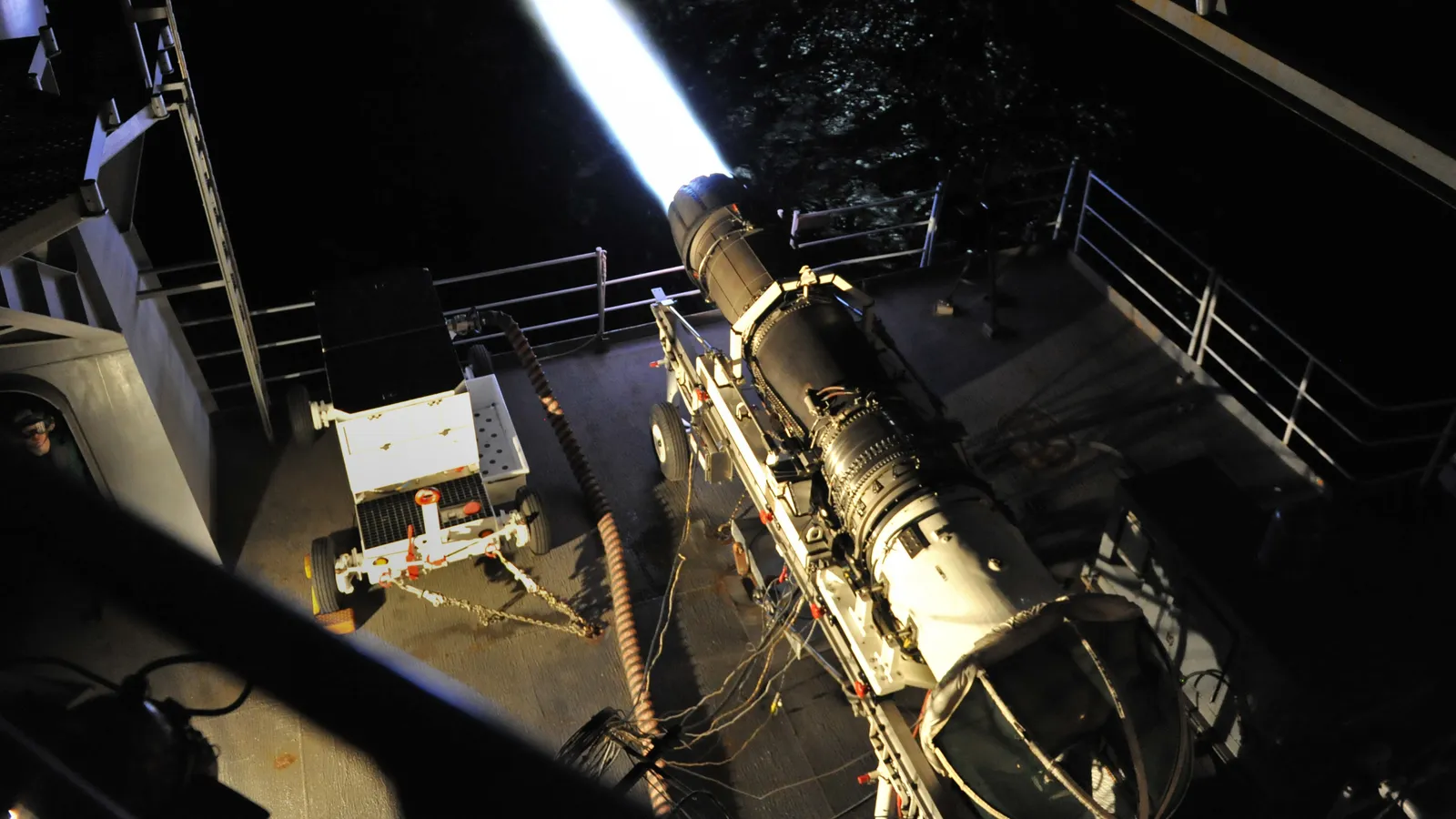
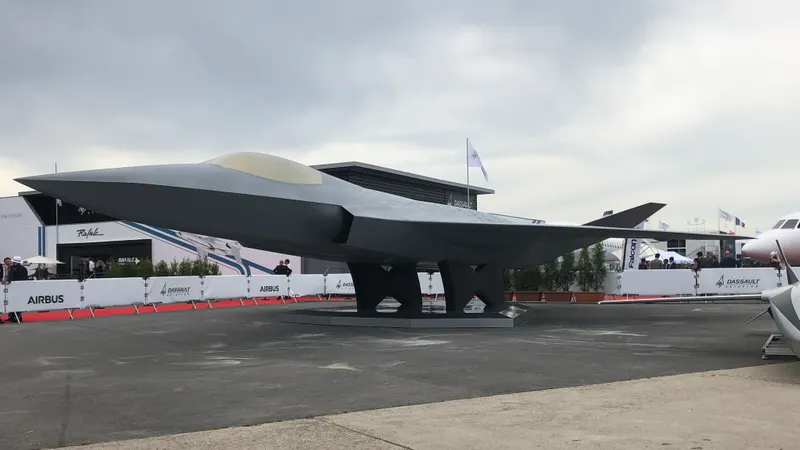
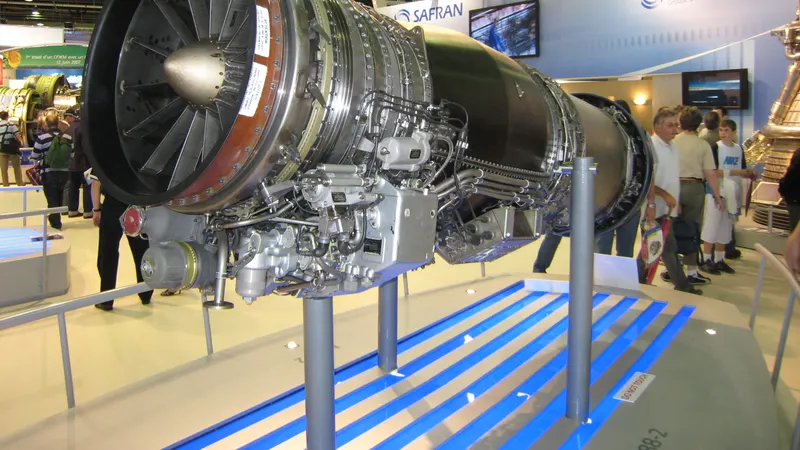
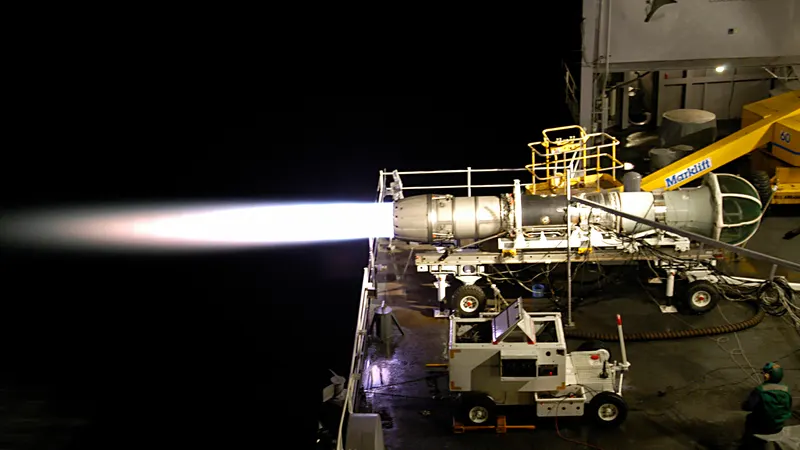
India’s negotiations with GE Aerospace for the F414 engines meant to power prototypes of the Advanced Medium Combat Aircraft have stalled after the American manufacturer roughly tripled its asking price, according to multiple media reports. The demand upends the cost basis of the country’s fifth-generation fighter programme and puts pressure on the Tejas Mk2 as well.
Reports of the price demand first surfaced on 26 June. GE is said to have sought a steep increase — described in subsequent reporting as a jump of about 300 percent — for the F414 engines earmarked for AMCA prototypes. The talks are now described as having hit a roadblock, with no agreement in sight for the initial batch of engines.
The stakes extend well beyond the prototype order. The F414 is the chosen powerplant for two flagship Indian programmes: the twin-engine AMCA stealth fighter in its initial Mk1 configuration, and the single-engine Tejas Mk2, the heavier successor to the light combat aircraft already in service. A sharp escalation in the engine’s price therefore strikes both projects at once, and with them the Indian Air Force’s plans to rebuild its combat strength over the coming decade.
India has been pursuing the engine on two parallel tracks. Off-the-shelf purchases are intended to equip AMCA prototypes quickly, while separate negotiations continue on licensed manufacture of the F414 in India — the arrangement, built around co-production with Hindustan Aeronautics Limited, that is meant to anchor domestic fighter-engine production for the Tejas Mk2 fleet. Both tracks were proceeding when the price demand landed. It is not yet clear how the increase sought for prototype engines will read across to the terms of the licensed-production deal, but the two negotiations are closely linked, and hardening on price in one is unlikely to leave the other untouched.
The escalation does not arrive in isolation. Analysts note that tightening export rules in the United States are compounding the cost problem, adding regulatory friction to commercial pressure. Together, the two threaten delivery schedules for the Tejas Mk2 and the AMCA Mk1 alike, with knock-on effects for an air force that has been counting on both types to arrest the decline in its squadron numbers.
The dispute has also reignited a familiar argument in India’s defence establishment: the risk of building the country’s combat-aircraft future around an engine it does not control. Even before the price demand, assessments of India’s aerospace roadmap concluded that the heart of the indigenous fighter ecosystem would remain American for decades, given the absence of a proven domestic engine in the required thrust class. A threefold price increase, arriving mid-negotiation on a programme of national priority, is exactly the scenario critics of that dependence have long warned about.
The parallel negotiation on manufacturing the engine in India continues. But the AMCA’s development schedule was built on cost assumptions that no longer hold. Until a price is agreed, the timeline for flying the first prototypes — and for fielding the Tejas Mk2 behind them — carries a question mark stamped in a foreign currency.
What India decides next, and how far GE is willing to move, will determine whether the engine at the centre of the country’s fighter roadmap remains an affordable foundation or becomes its most expensive vulnerability.
Sources
- 1. 300% jump in GE F414 engine price clouds AMCA programme — english.mathrubhumi.com
- 2. AMCA engine talks hit roadblock as GE raises cost threefold — msn.com
- 3. F414 price rise threatens Tejas Mk2 and AMCA Mk1 schedules — meta-defense.fr
- 4. Analysis: India's fighter ecosystem and its American engine dependence — thediplomat.com
Senapathi Desk
Staff reports & analysis
The Senapathi Report news desk. Original reporting and analysis synthesised from multiple corroborated sources — defence procurement, service developments and regional security, filed as it happens.