Ukraine's Patriot Shield Runs Dry — and a US Production Licence May Be the Only Fix
Russia's August 5 barrage killed 17 in Kyiv with zero missiles intercepted; Zelenskyy says interceptor supplies are at a third of 2025 levels — days after he and Trump discussed a US licence for Ukrainian Patriot interceptor production.

Senapathi Desk
Staff reports & analysis
Published
4 min read
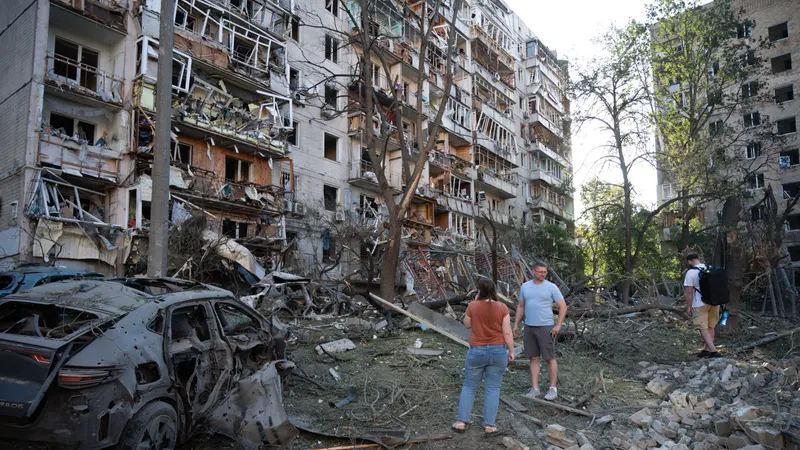
For roughly two hours on the night of August 5, the sky over Ukraine’s capital filled with everything Russia’s long-range arsenal could throw at it: 24 ballistic missiles, four Zircon and Oniks missiles, and 115 drones. Ukrainian air defences intercepted none of the incoming missiles. Seventeen people were killed and at least 44 wounded in Kyiv and the surrounding regions, in one of the deadliest attacks on the city this year.
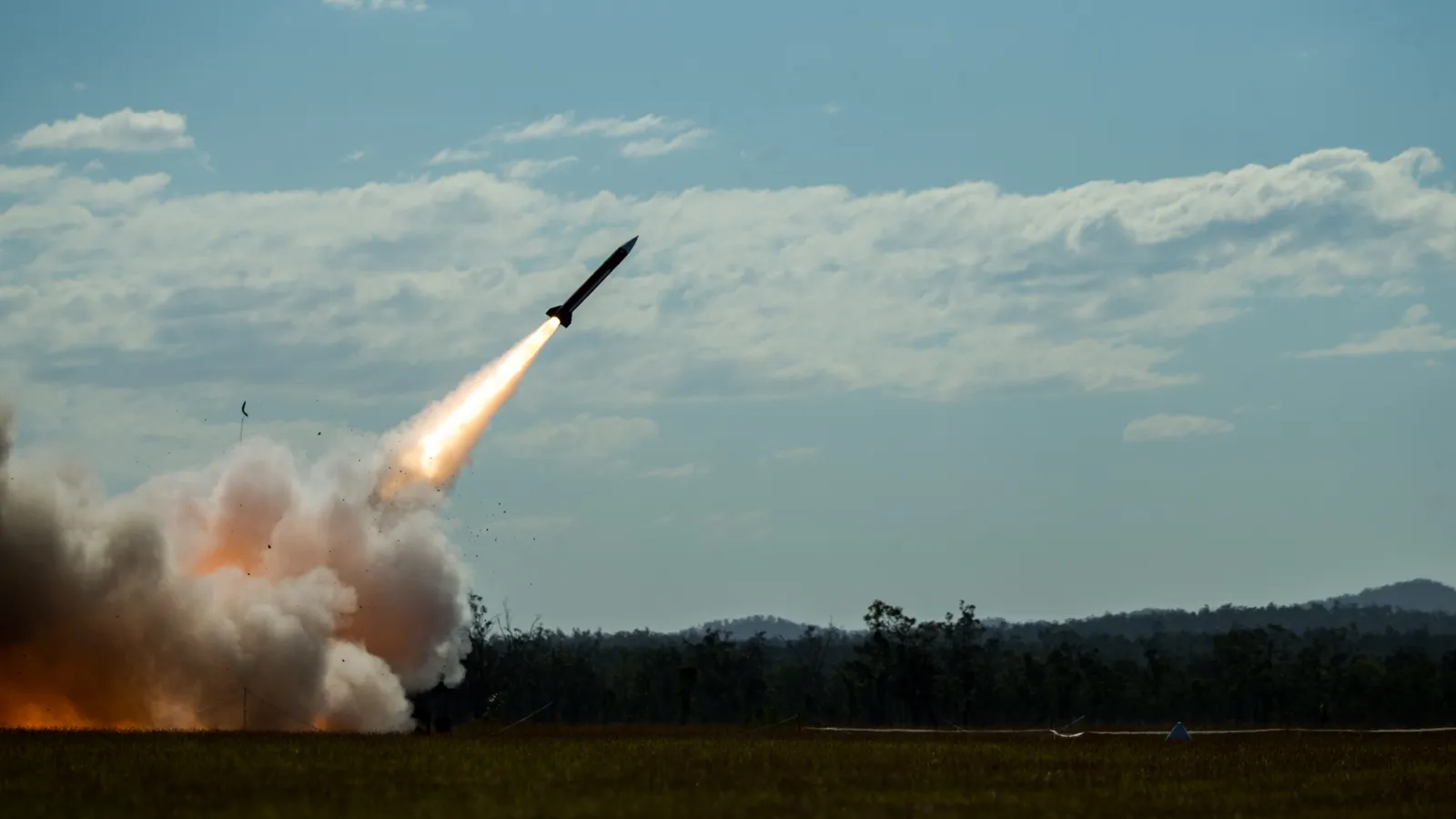
President Volodymyr Zelenskyy did not blame radar failures or crew error. He blamed arithmetic. “Ballistic interceptors are what could have saved the lives of those killed today,” he said, disclosing that Ukraine has received only a third as many air-defence interceptors this year as it had by the same point in 2025. The Patriot is the only weapon in Ukraine’s inventory capable of downing a ballistic missile, and the maths of scarcity is now visible in single engagements: in one recent attack, Zelenskyy said, the military stopped just one of 27 Russian ballistic missiles — “only one ballistic missile was intercepted, simply because there are no interceptors for the Patriot systems.”
The tempo is what turns shortage into catastrophe. The August 5 barrage followed an overnight attack on August 1 that killed at least nine people and wounded 33 in the capital, itself two days after strikes that killed at least ten people across the country. Russia is no longer probing Ukraine’s air defences. It is draining them on a schedule, betting that its missile production outlasts Western interceptor deliveries.
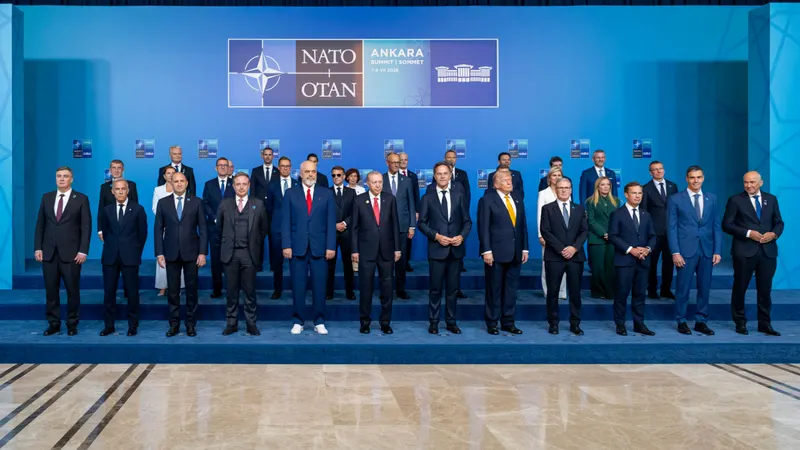
What happens next was previewed at the White House on July 28, a week before the Kyiv barrage. Zelenskyy and US President Donald Trump met for just over an hour, and by the Ukrainian president’s account the conversation centred on two tracks: reviving peace diplomacy with Russia, and a licence for Ukraine to produce Patriot interceptor missiles itself. Zelenskyy called the meeting “good”. Reports ahead of the visit said he also hoped to secure Tomahawk missiles and arrived offering a drones deal in return.
The licence request is the tell, because Ukraine has already exhausted the faster fixes. In early July it sent requests to nearly 40 countries seeking temporary transfers of Patriot interceptors from existing inventories, to be replaced later from future production — in effect, borrowing rounds from other nations’ magazines against a promissory note. That appeal can buy months at best. Only new production lines change the underlying equation, and every path to them runs on long timelines.
Two hedges are already in motion. Ukraine and the United States are working to field an upgraded S-300 interceptor, with initial operational availability targeted near the end of 2026 and annual production expected to reach roughly 100 to several hundred rounds. Ukraine is separately developing its own FP-7.x interceptor to reduce dependence on scarce PAC-3 missiles. Both matter; neither arrives before the autumn and winter strike campaigns that the past fortnight foreshadows. A Patriot production licence would take longer still to yield missiles — which is precisely why the negotiation needs to start now rather than after the next massed barrage.
None of this is an indictment of the system itself. One Ukrainian Air Force Patriot unit alone has been credited with intercepting more than 140 ballistic missiles and destroying nearly 250 aerial targets. When fed, the shield works. What failed over Kyiv on August 5 was not the radar or the missile but the supply chain behind them.
The wider war sharpens the point. Independent battlefield trackers recorded a net Russian gain of somewhere between 13 and 24 square miles of Ukrainian territory across the four weeks to August 4 — a front line moving at walking pace — while Ukrainian strikes on Russian oil refineries since March are estimated to have knocked out about 20 per cent of Russia’s refining capacity. The ground war is close to frozen; the deep-strike duel is escalating on both sides. In that contest, interceptor stockpiles, not captured villages, are the metric that decides who blinks.
That is the lesson travelling well beyond Ukraine. Every Patriot operator from West Asia to East Asia now has proof that a premier interceptor is only as good as the production base behind it, and planners in India — watching ballistic-missile inventories grow across their own neighbourhood while building out layered air defences — have fresh evidence for the case that magazine depth and licensed or indigenous interceptor manufacture are not procurement luxuries but survival math. The things to watch through autumn: whether the licence talk hardens into signatures, whether the 40-country appeal shakes loose real rounds, and whether the end-2026 interceptor timelines hold. Russia’s barrages have already set the deadline.
Sources
- 1. Trump, Zelenskyy discuss Patriot deal and reviving talks with Russia — defensenews.com
- 2. Zelensky says White House meeting covered Patriot production licence and diplomacy push — meduza.io
- 3. Zelenskyy says he had 'good' talk with Trump on Patriot missiles — bloomberg.com
- 4. Russian missile and drone barrage kills 17 in Kyiv region — npr.org
- 5. Russia strikes Kyiv in one of the deadliest attacks on the capital this year — cnbc.com
- 6. Russia hits Ukrainian capital with ballistic missiles and drones, killing at least nine — washingtontimes.com
Senapathi Desk
Staff reports & analysis
The Senapathi Report news desk. Original reporting and analysis synthesised from multiple corroborated sources — defence procurement, service developments and regional security, filed as it happens.