Russia Hits Kyiv With Largest Air Attack of the War, Killing at Least 27 Civilians
Hundreds of drones and more than 70 missiles struck Kyiv on 2 July, killing at least 27 people and injuring over 100 — the deadliest strike on the capital this year and, by the mayor's account, the largest air attack of the war.

Senapathi Desk
Staff reports & analysis
Published
2 min read
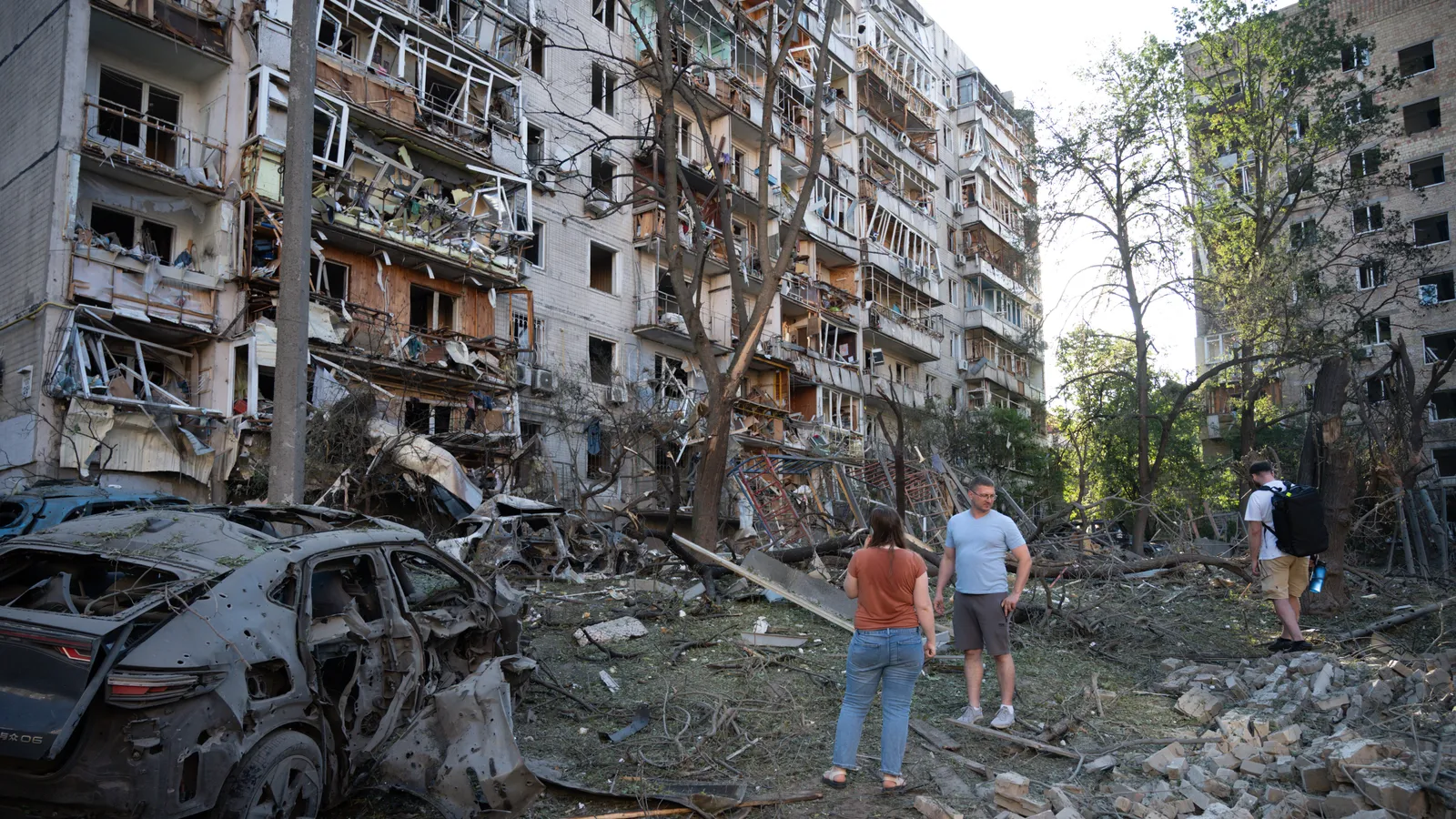
Russia struck Kyiv with hundreds of drones and dozens of missiles in the early hours of Thursday, 2 July, killing at least 27 people and injuring more than 100 in what the city’s mayor called the largest air attack on the capital since the war began.
The barrage set a hotel in the central district on fire and caused explosions and blazes across the city. It was the deadliest single strike on the capital this year.
Reported death tolls ranged from at least 21 to at least 30 as rescue operations continued through the day. The most widely cited count stood at 27 killed and more than 100 injured.
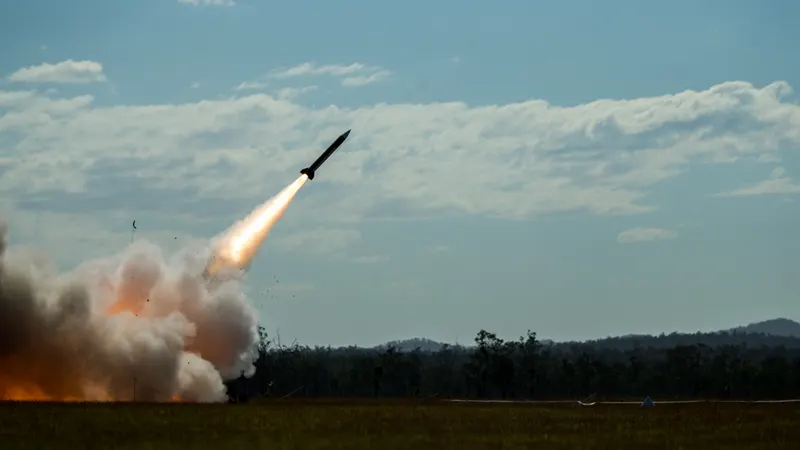
More than 70 missiles were reported fired at the city, among them ballistic and cruise weapons, launched alongside waves of attack drones. The mix is built to saturate layered defences. Slow, cheap drones absorb interceptors and occupy radar operators. Ballistic missiles, which leave defenders seconds to react, exploit the gaps.
Kyiv Mayor Vitali Klitschko said the assault was the largest on the city since the full-scale war began — a benchmark that spans more than four years of bombardment.
The burning hotel put the strike in the centre of the capital, hundreds of kilometres from any front line. Fires elsewhere in the city kept emergency services engaged into the day. The injured count, at more than 100, pointed to blast and fire damage spread across multiple districts rather than a single point of impact.
The attack came three days after a 29 June wave of Russian missile and drone strikes killed at least eight people across Ukraine. President Volodymyr Zelenskyy answered that barrage with a public appeal to allies for stronger air defences. Thursday’s strike, more than three times deadlier, arrived before any reinforcement could.
The sequence follows a pattern repeated across the war: a mass Russian raid, a Ukrainian request for interceptors, an incremental Western response. This time the next raid came within days, and it was far heavier.
The capital holds the densest air-defence coverage in Ukraine, including Western-supplied systems capable of intercepting ballistic missiles. That the toll reached this level despite that shield illustrates the arithmetic behind Ukraine’s appeals. Every mass raid drains interceptor stocks, and stocks are replenished more slowly than Russia rebuilds its strike packages.
The scale of the raid also marks a step change from the war’s earlier years, when a hundred drones in a single night was exceptional. Expanded production of long-range one-way attack drones has allowed Russia to mass launches in the hundreds while holding back its costlier ballistic and cruise missiles for concentrated blows against a single city.
Kyiv had been struck before in 2026, but not on this scale. The 2 July raid concentrated more than 70 missiles on a single city in a single night, on top of the drone waves that preceded and accompanied them.
For a war now deep into its fifth year, the record set on Thursday is a grim one: the heaviest air attack Kyiv has absorbed, and the deadliest this year, delivered in a single night against a city of civilians.
Sources
- 1. Reuters: Russian drones set central Kyiv hotel on fire — reuters.com
- 2. The Guardian: Russia attacks Kyiv with missiles and drones — theguardian.com
- 3. DW: Kyiv strike kills at least 27, injures scores — dw.com
- 4. AP: Russian missile and drone attack hits Kyiv — apnews.com
Senapathi Desk
Staff reports & analysis
The Senapathi Report news desk. Original reporting and analysis synthesised from multiple corroborated sources — defence procurement, service developments and regional security, filed as it happens.