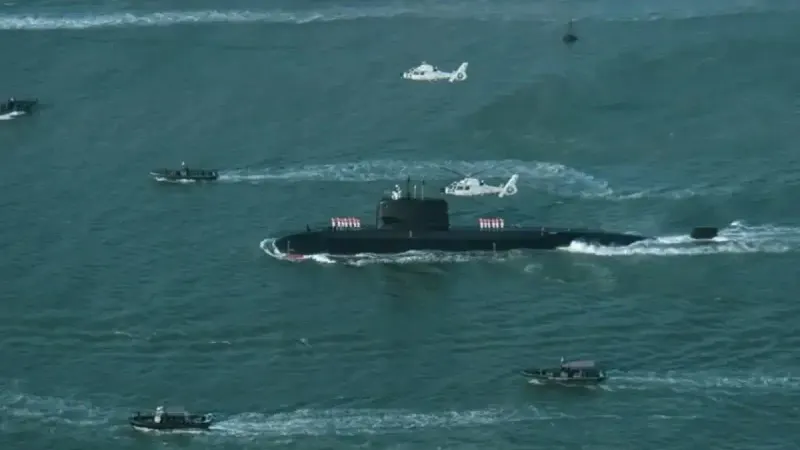
Project 75I Nears Cabinet Approval, and Technology Transfer Is the Real Test
India's largest conventional submarine programme is reportedly one Cabinet decision from contract — and the pending technology transfer review, not the headline price, will decide what the deal is actually worth.

Senapathi Desk
Staff reports & analysis
Published
3 min read
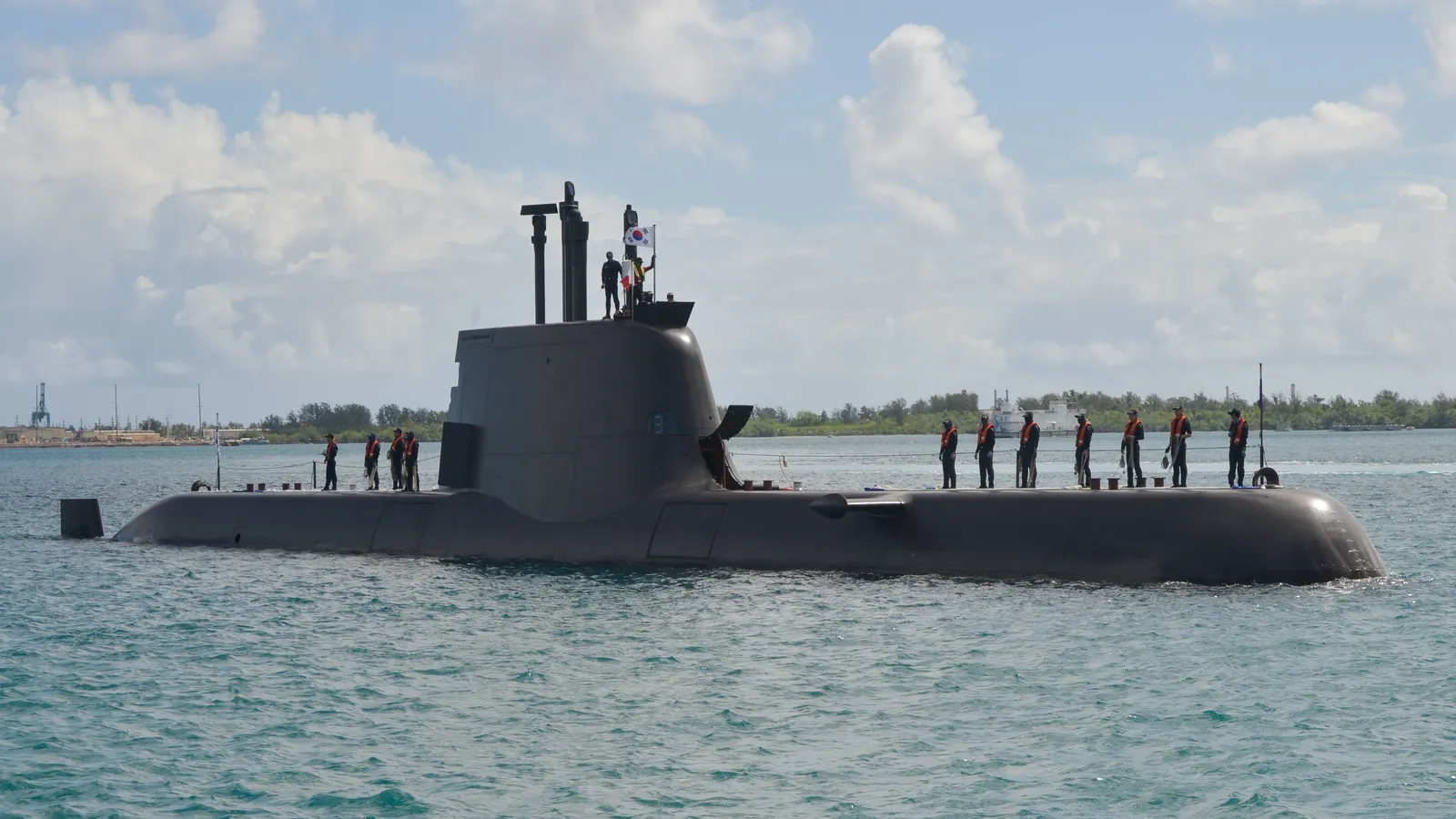
For a programme that has spent years being discussed in the future tense, Project 75I is suddenly close to the only sentence that matters: cabinet approval. India and Germany are in advanced talks to finalise the contract for India’s largest conventional submarine acquisition, and the file is reported to be nearing the Cabinet Committee on Security. The outline is settled — a design from the German shipbuilder TKMS, boats built at an Indian yard, technology transferred as part of the bargain. What remains, by the reported sequencing, is a review of that technology transfer. That last item is not housekeeping. It is the deal.
Start with the numbers, which refuse to agree. Reported valuations run anywhere from 70,000 crore to 90,000 crore rupees, with one estimate landing around seven billion euros, or eight billion dollars. The spread is not sloppiness; it is information. Contract values converge on a single figure only once scope has been frozen — what exactly is transferred, what is built where, what the Indian yard pays for and what it inherits. A range that wide, this late, suggests the commercial architecture is still being shaped, and that the technology transfer review now standing between the deal and the Cabinet is where the shaping is happening.
The Transfer Is the Deal
The incentives on each side explain why that review carries so much weight. An exporter that agrees to design at home and build abroad is trading away near-term shipyard work for something longer: an anchor position in a navy that will keep buying submarines for decades. That trade only pays off if the relationship compounds — follow-on orders, sustainment work, a seat at the table when the next programme is framed. Germany, in other words, has reason to be generous enough to win, and no more generous than that.
For India, the calculus is the mirror image. Buying a submarine is the easy half of the transaction; navies have done that for a century. The point of insisting on construction at an Indian yard under technology transfer is to make the next class of boats less foreign than this one — to leave behind a workforce, a supplier base and a design familiarity that outlast the contract. Hence the structural tension of every such negotiation: the seller’s most guarded knowledge is the buyer’s entire reason for signing. Agreements of this kind land somewhere on a spectrum between blueprints with strings attached and genuine absorption, and where this one lands will determine whether Project 75I is remembered as a procurement or as industrial policy.
Approval Is Not Delivery
The second caution concerns what a Cabinet nod would and would not change. It would end the approval saga on a programme whose defining feature has been delay. It would also start a harder clock: contract signature, yard preparation, the long industrial ramp before a first boat touches water. Programmes of this scale are judged in decades, and every year already spent in process is a year subtracted from the operational relevance of the answer. The delay has not been free; it has simply been paid in a currency that never appears in the contract value.
There is a signalling effect worth taking seriously too. For Germany, a concluded deal would bind its submarine industry to India for a generation. For India, it would be evidence — to its own planners as much as to foreign partners — that its most delay-prone procurement category can still convert intent into steel. And a completed technology transfer arrangement here would set the reference point every future bidder in every future programme must match.
If the Cabinet Committee on Security signs off, the temptation will be to read the moment as an ending. Better to read it as a beginning. The reports of late June describe a deal on the cusp; the real measure will come later, in how much of the promised technology actually moves — and in whether the yard that builds these boats can help design the ones after.
Sources
- 1. India-Germany Project 75I talks in advanced stage; tech transfer review to shape approval — indiatoday.in
- 2. Rs 80,000-crore India-Germany submarine deal nears CCS approval — businessupturn.com
- 3. Defence stocks tied to India's Rs 70,000-crore submarine programme — tradebrains.in
Senapathi Desk
Staff reports & analysis
The Senapathi Report news desk. Original reporting and analysis synthesised from multiple corroborated sources — defence procurement, service developments and regional security, filed as it happens.